Written by: Amr Selim
Date: 2025-12-25
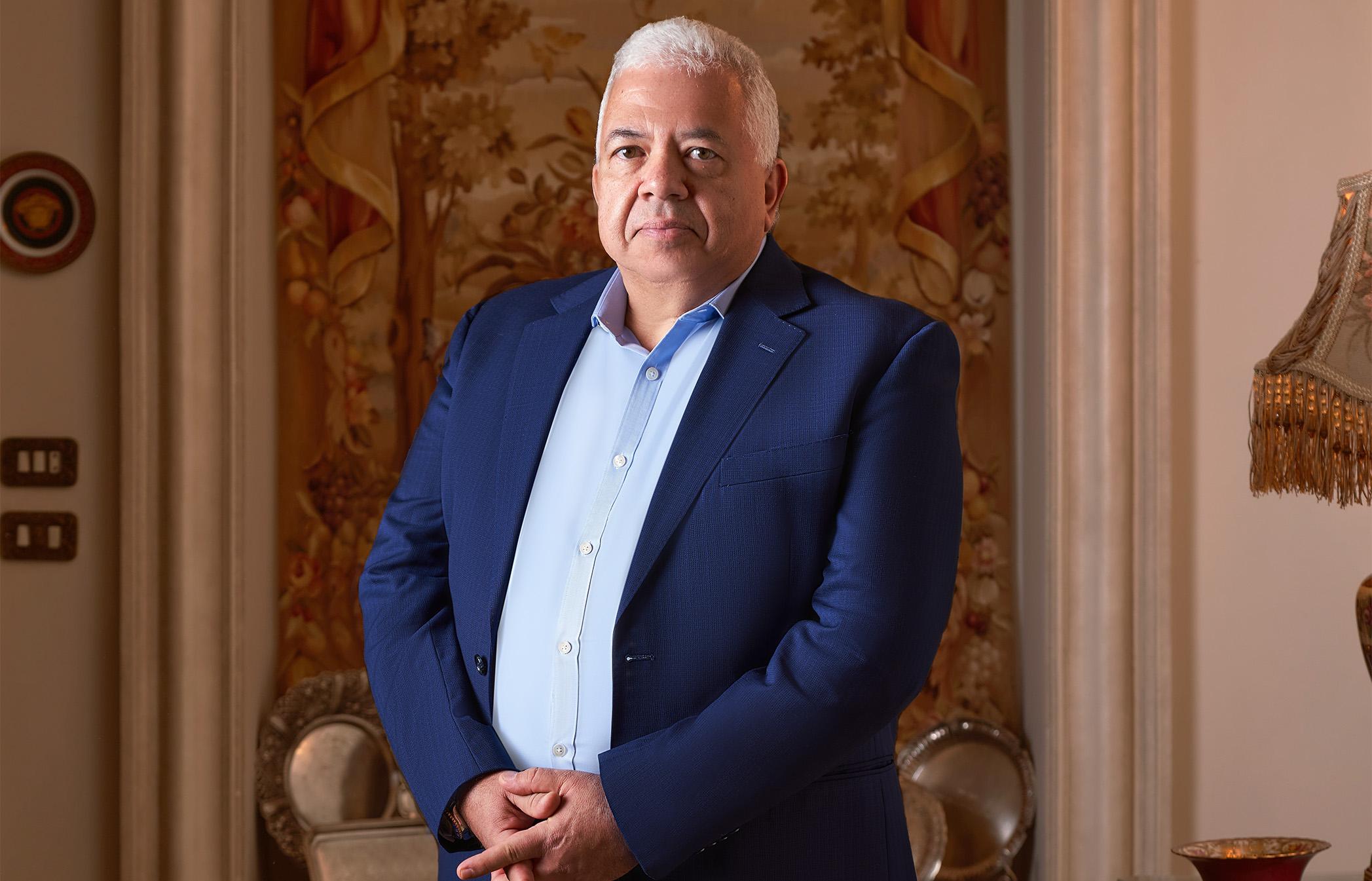
An Exclusive interview with the Minister of Tourism and Antiquities H.E. Sherif Fathy Attia
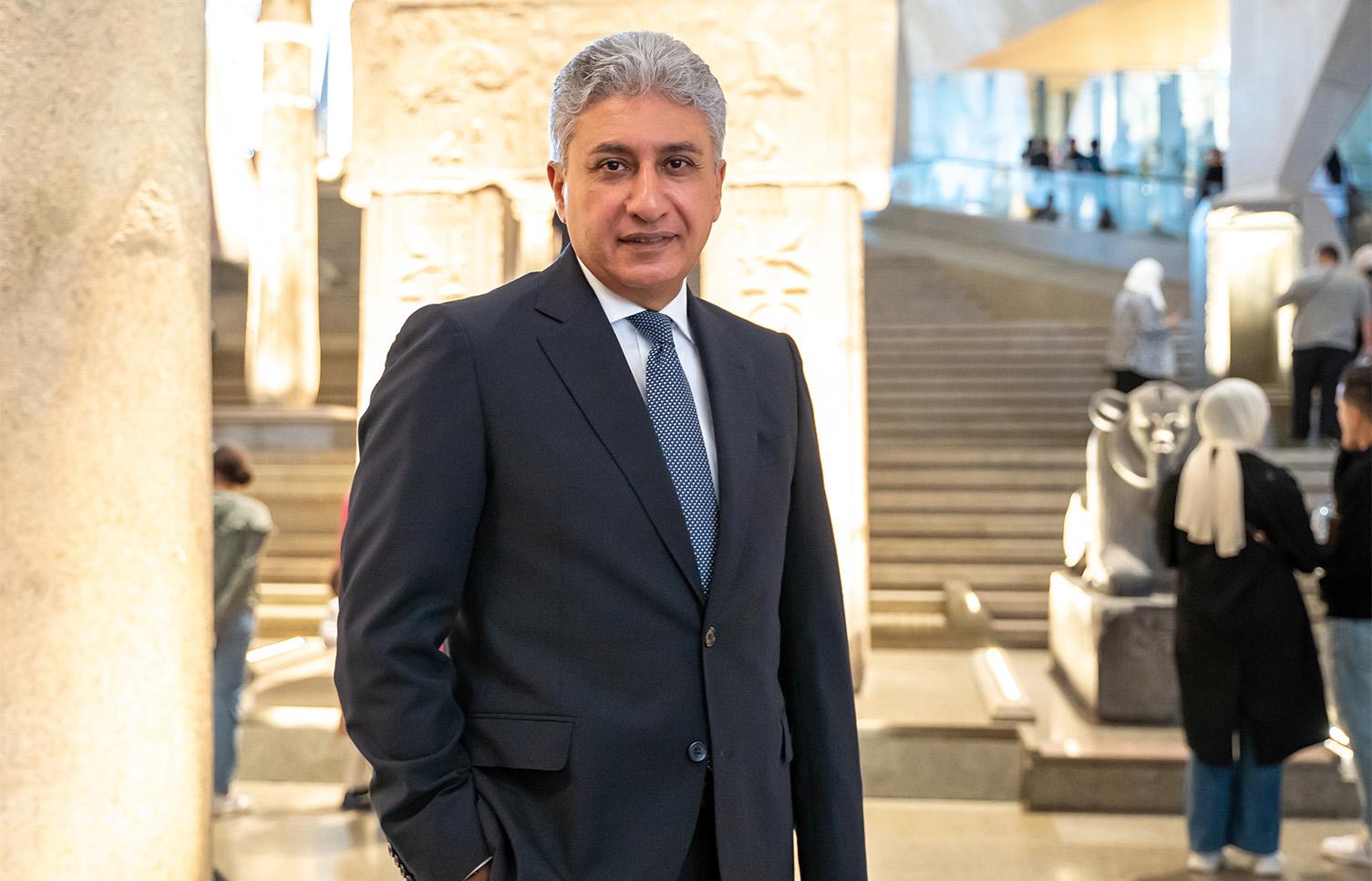
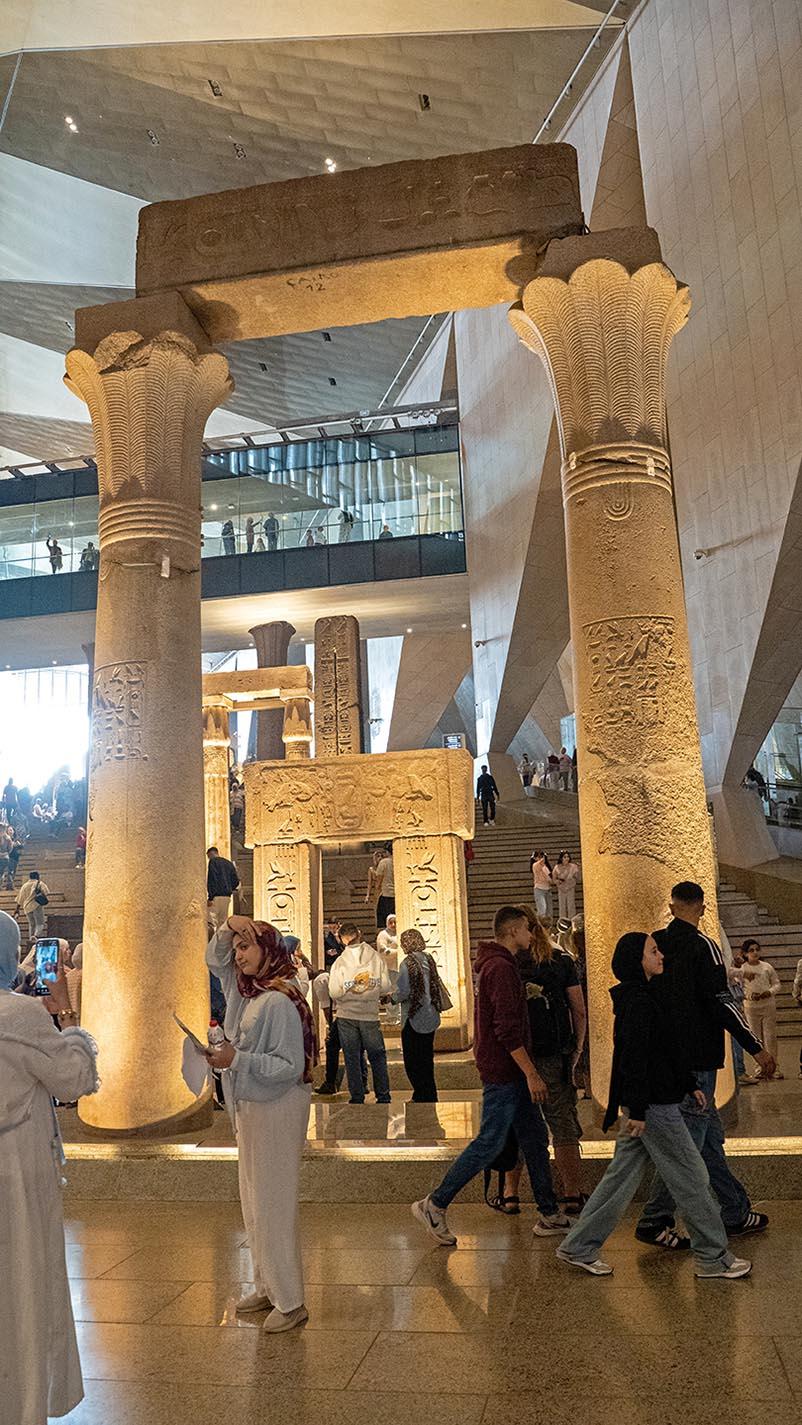
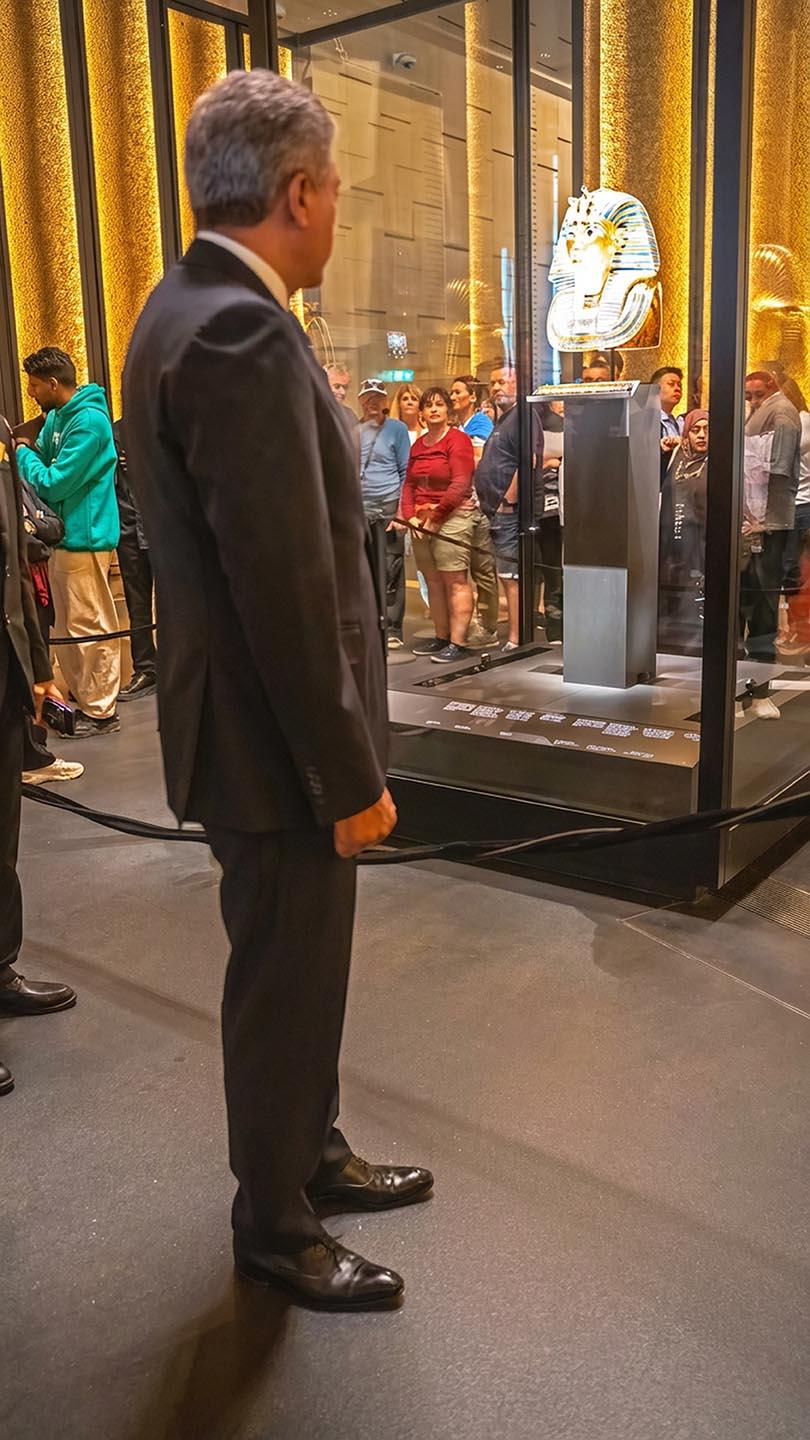
The Grand Egyptian Museum has finally opened its doors, and Egypt’s tourism sector is riding a wave of unprecedented growth. In this exclusive interview, the Egyptian Minister of Tourism and Antiquities, Sherif Fathy Attia, reveals the challenges of orchestrating a world-class opening, the bold plans to transform the Giza Plateau into a premier cultural destination, and the innovative strategies driving a nationwide tourism boom.
He Magazine had the honour of sitting down with Minister Attia to discuss everything from reviving Nile cruises and yacht tourism to repatriating thousands of Pharaonic artifacts, offering readers a fascinating glimpse into how Egypt is positioning itself as a global hub of heritage, culture, and unmatched diversity.
The grand opening of the Grand Egyptian Museum filled us with pride and admiration. Many organizations and individuals worked hard to honour Egypt’s history. What challenges did you face leading up to the opening? Is there anything you would have liked to change that day?
The inauguration of the Grand Egyptian Museum was a historic event, showcasing years of dedication and effort. More than 40 heads of state, government officials, and business leaders from around the world gathered to celebrate this significant occasion.
President Abdel Fattah El-Sisi provided the Grand Egyptian Museum with unparalleled support. In return, we were fully committed to ensuring that both the museum and its opening ceremony met world-class standards.
The world was watching closely as the opening of the Grand Egyptian Museum approached. Orchestrating an event that exceeded global expectations was our first challenge; creating an event truly worthy of Egypt and its unparalleled heritage, a top-notch celebration that could reflect the depth of our history and the brilliance of our future. Achieving this level of excellence would not have been possible without the tireless contributions of everyone involved. We succeeded.
The second challenge was to ensure our guests had a seamless and memorable experience, which requires precision and coordination. The nation executed this magnificently, as our guests confirmed.
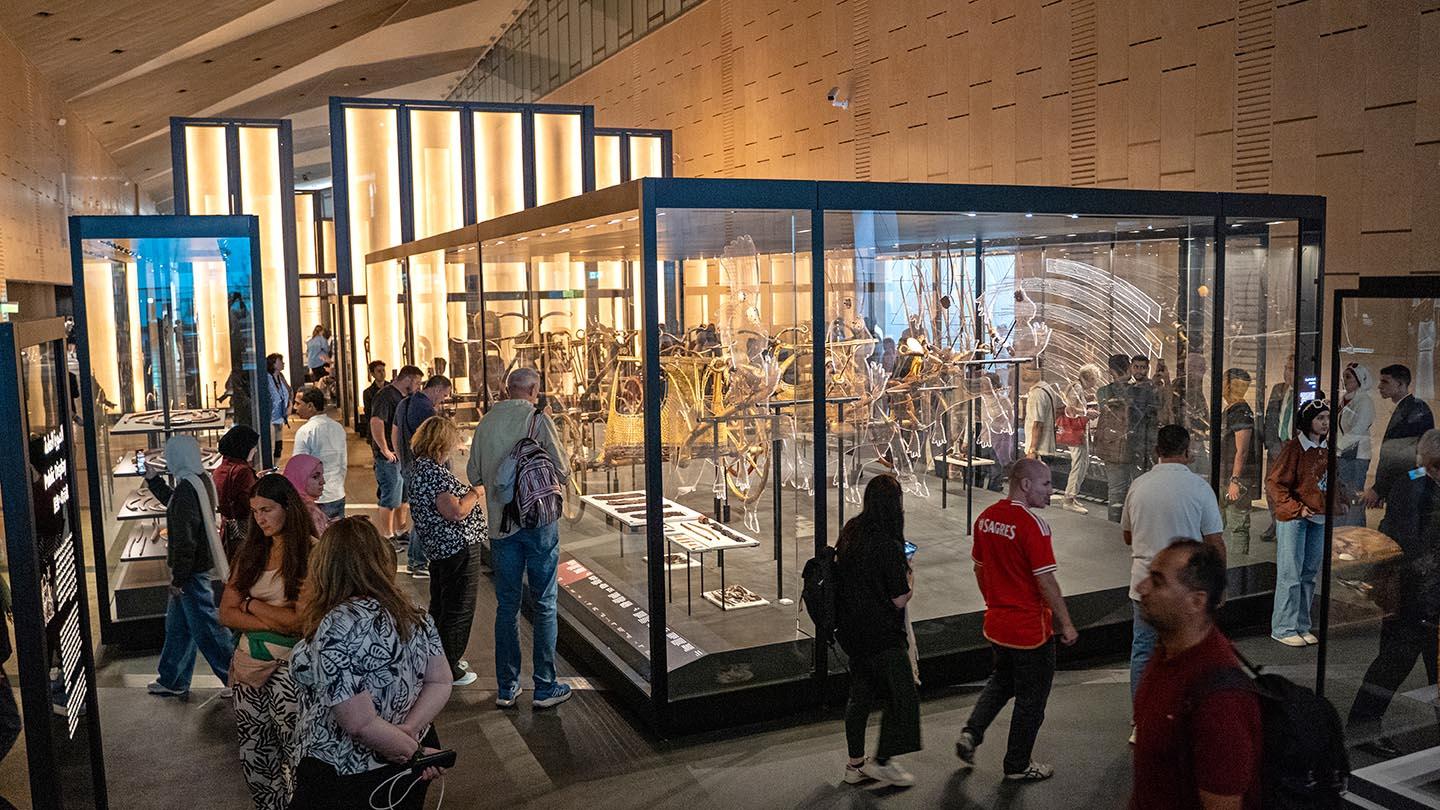
I wouldn’t change a thing; everything was perfect. Since the GEM opened, visitor numbers have impressively increased. Our focus now is on sustaining an unforgettable experience. A key lesson from the soft opening was managing visitor density. Regulating flow is about ensuring every visitor can comfortably enjoy the space.
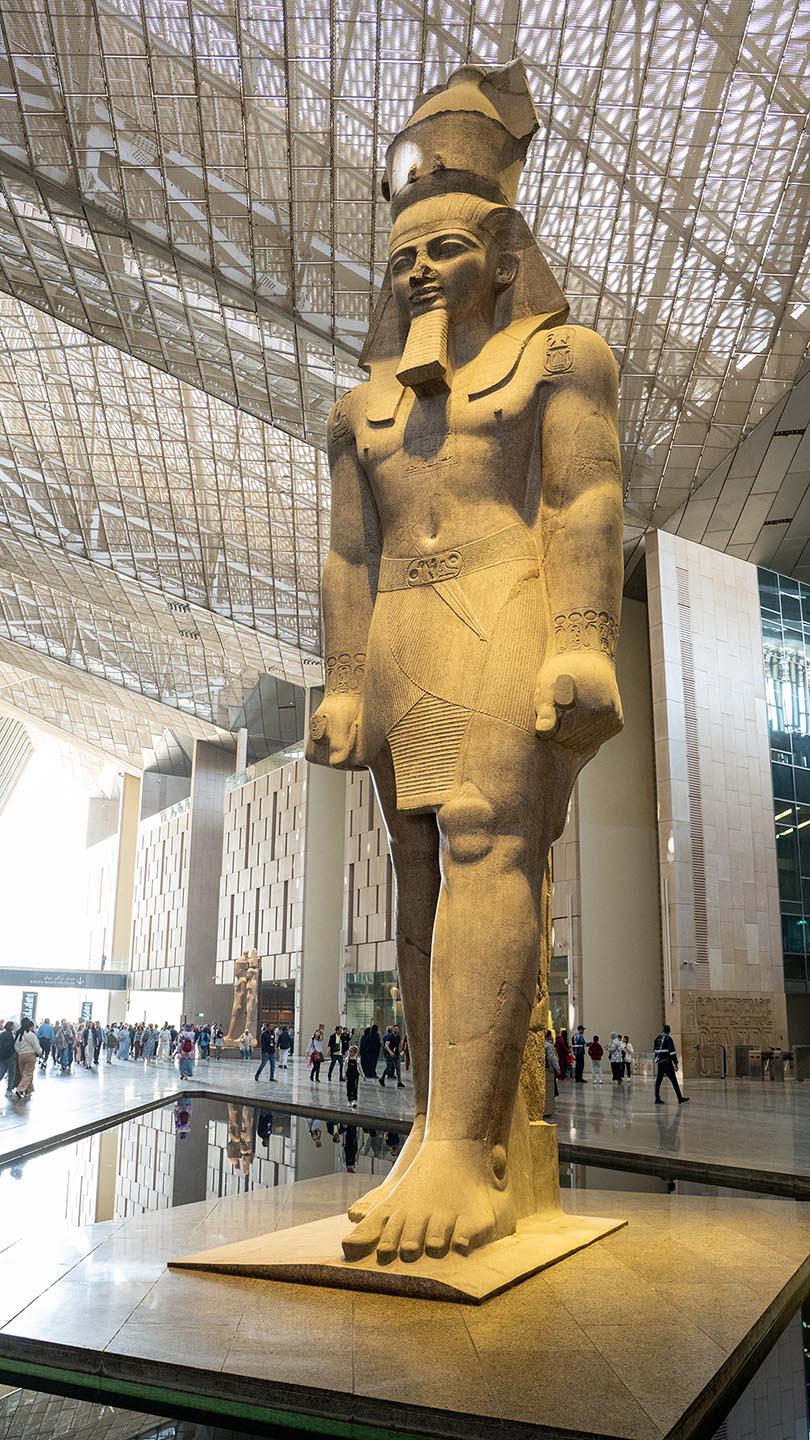
What follows the opening? Will there be an annual global event attracting celebrities and officials to Egypt regularly?
The Grand Egyptian Museum (GEM) has begun hosting prestigious events since its soft opening and will continue to offer a vibrant events calendar year-round.
More than just a showcase for ancient Egyptian treasures, the GEM aims to be a leading cultural hub and an academic institution. It will host international seminars, conferences, and scholarly gatherings in archaeology and heritage studies.
My hope is for the GEM to become the heart of Egyptology worldwide. Preparations for a major global scientific event are already underway for next year, positioning the GEM as a significant cultural landmark.
There has been much discussion about private sector tourism projects around the museum to support and benefit from it. What are the key projects, and when will they start? Are there any independent projects by the Egyptian government?
We are preparing a master plan to transform the area surrounding the GEM and the Giza Plateau, from Sphinx International Airport to Dahshur, into a premier tourism destination.
This plan involves upgrading infrastructure, developing tourism services, enhancing mobility networks, and building hotels and restaurants while respecting the area's historical and cultural significance.
All developments will adhere to UNESCO standards to preserve the site's authenticity and integrity. The plan includes both private-sector investments and government-led projects, with a focus on sustainable economic benefits for the local community.
Additionally, we are considering the expected increase in tourists to Cairo, particularly due to the Grand Egyptian Museum, and ensuring an appropriate mix of accommodation options, including hotel rooms and luxury residential units.
His Excellency Minister Sherif Fathy, a former Chairman of EgyptAir with extensive aviation experience, is overseeing the development and modernization of Egyptian airports to match Egypt's tourism boom. What is the timeline for these plans?
Connectivity is crucial for tourism, as over 95% of our inbound visitors arrive by air. Ensuring robust air connectivity through a strong national airline and modern airports is essential for the sector's resilience and competitiveness.
My extensive experience in aviation, managing airlines like EgyptAir and serving as Minister of Civil Aviation, provides valuable insights into our aviation challenges and opportunities.
The Ministry has developed a roadmap to transform Egypt’s aviation sector by expanding terminals, modernizing airports, enhancing the EgyptAir fleet, and fostering international partnerships in airport management. The collaboration we currently have established with the Ministry of Civil Aviation has led to significant improvements.
Our country promotes an open skies policy at most airports, with Cairo International Airport being an exception due to operational constraints. We aim to unlock Cairo’s airport potential, including Sphinx International Airport.
With a clear strategy and committed priorities, our country is dedicated to developing an aviation ecosystem that supports and sustains our growing tourism sector.
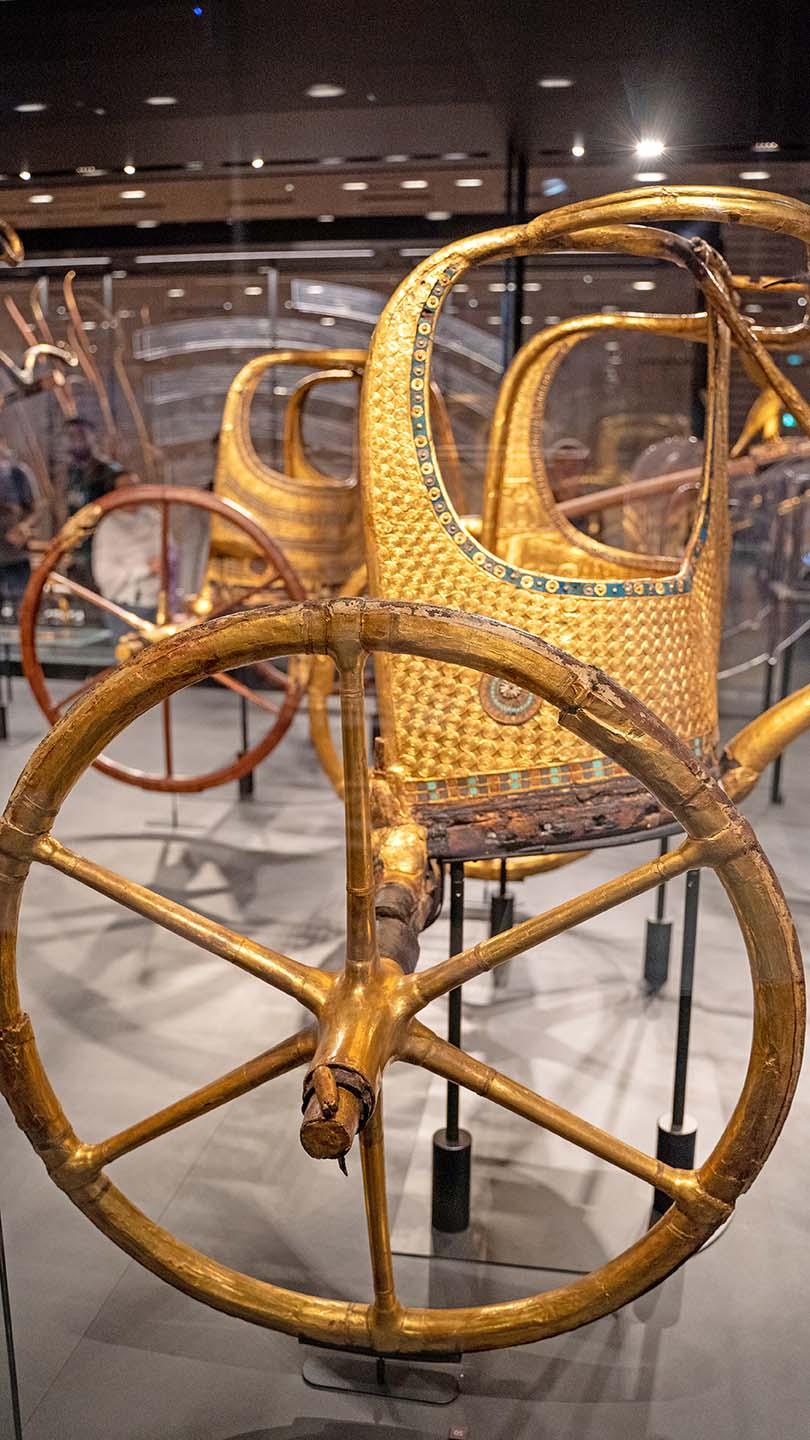
Egyptian ports are essential for yacht tourism, much like airports. Is the Ministry of Transport solely in charge of these ports, and what strategies are in place to boost yacht tourism?
Egyptian ports play a vital role in the country's economy, fostering the expansion of yachting tourism alongside airports. The Ministry of Transportation is responsible for managing port infrastructure and maritime regulations, while the Ministry of Tourism and Antiquities focuses on promoting yachting tourism.
Our strategy aims to position Egypt as an attractive yachting destination through a series of key initiatives. We participate in global yacht shows, like the Monaco Yacht Show, to highlight our unique coastline and marina facilities. Additionally, we develop promotional content that showcases the beauty and safety of the Red Sea and Mediterranean coasts.
We also run high-impact advertising campaigns, such as the “Sail to Egypt” campaign, in leading international magazines and on digital platforms to reach the global yachting community.
Egypt has many underutilized antiquities and tourist sites, some of which are not open to visitors. Is there a plan to develop and maximize these sites?
The Ministry prioritizes the protection and preservation of Egypt's antiquities, viewing them as a vital national treasure and a key part of the nation's identity. We focus on safeguarding archaeological sites, even if it means closing them temporarily for long-term preservation, prioritizing their well-being over potential financial benefits from visitation.
Simultaneously, we strive to upgrade services at archaeological sites and museums, allocating resources based on visitor volume and site needs. To enhance visitor experiences and generate sustainable revenue, we partner with private companies to manage operations at key sites, reinvesting profits into maintenance and restoration. Successful collaborations, like those at the Giza Plateau and the Grand Egyptian Museum, set the stage for further development of Egypt’s cultural heritage.
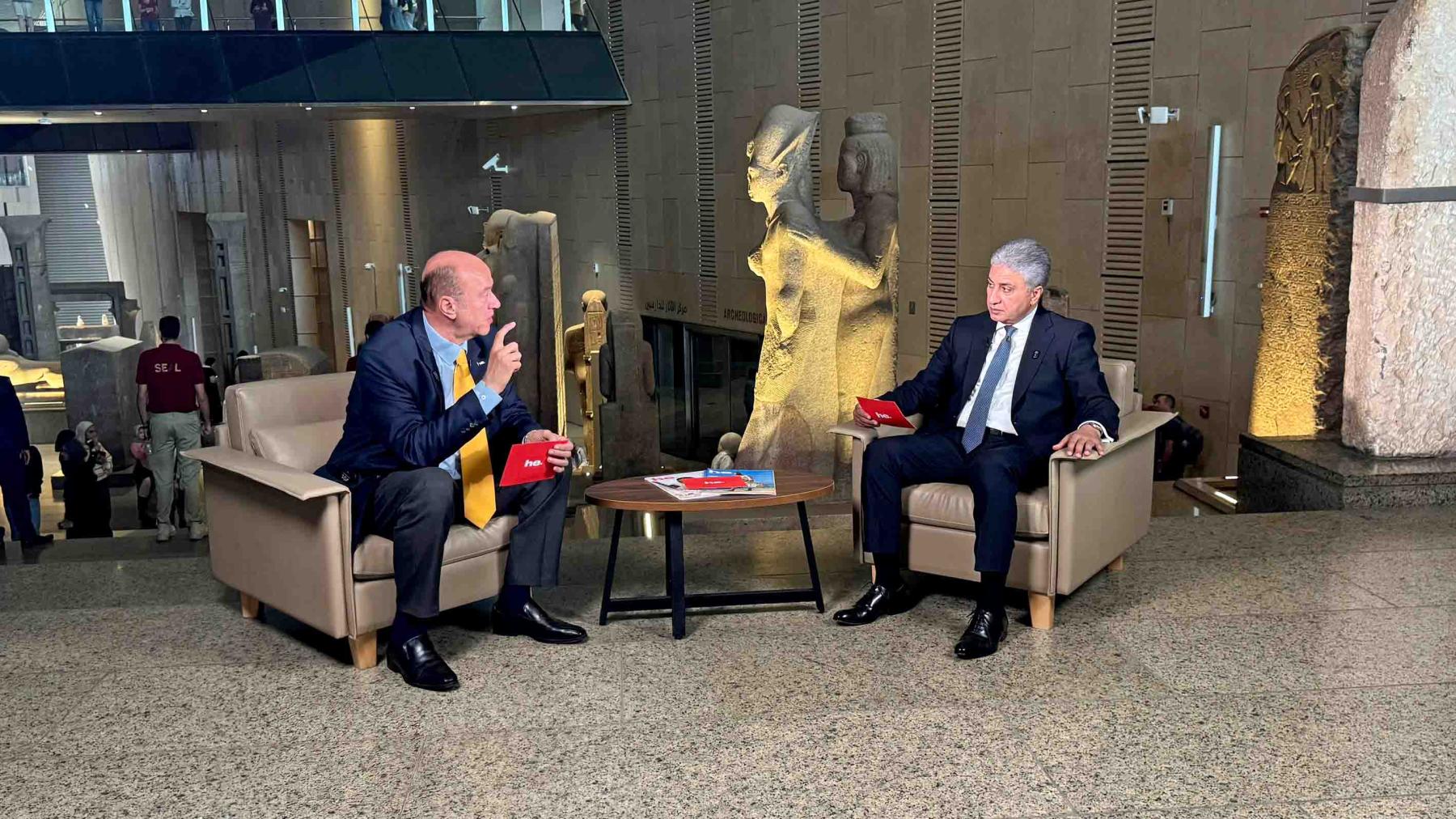
You are renowned for your strong will to recover Pharaonic artifacts outside Egypt. What methods are you using to achieve this?
Another pillar of our strategy is combating the illicit trafficking of antiquities. Egypt’s antiquities are not merely historical artifacts, they are a national treasure that must be safeguarded for future generations.
Egypt remains steadfast in reclaiming any of its artifacts that were smuggled illegally out of the country, and we employ different tactics and carefully tailored approaches, allowing us to respond effectively to each circumstance.
We have a thorough national strategy supported by legislation, security measures, diplomacy, and international cooperation. The Egyptian government has undertaken significant legislative reforms. Key amendments were introduced to the Antiquities Protection Law, strengthening penalties for theft, trafficking and illegal export of antiquities. In some cases, penalties now reach life imprisonment and multimillion-pound fines, making the legal deterrent far more effective.
The General Department for Antiquities Repatriation at the Supreme Council of Antiquities operates around the clock, monitoring international auction houses, online marketplaces, and museum acquisitions. It works closely with national authorities and international partners to verify provenance and establish the legal framework required for repatriation.
In parallel, we have reinforced the role of specialized archaeological units at all land, sea, and airports. Their work has been instrumental in preventing the illicit export of antiquities before they leave the country, ensuring that Egypt’s cultural heritage remains protected and preserved.
Diplomatic and consular coordination is another cornerstone in the country’s repatriation efforts. The Ministry of Tourism and Antiquities works closely with the Ministry of Foreign Affairs and our embassies and consulates worldwide to pursue repatriation cases through diplomatic channels and legal cooperation. The Ministry also works closely with the office of the Attorney General.
Egypt has also signed multiple bilateral agreements with international partners, including the United States, Italy, Switzerland, Cyprus, Lebanon, Jordan, and Saudi Arabia, to combat illicit trafficking and facilitate the return of cultural property.
Our cooperation extends to international law enforcement bodies and heritage organisations, including UNESCO, INTERPOL, and ICOM. Through these partnerships, we exchange intelligence, share expertise, and strengthen Egypt’s global standing in protecting cultural heritage.
Importantly, these efforts extend to treasures from all eras, not just ancient Egyptian antiquities. Our commitment is to protect and preserve the full spectrum of Egypt’s rich cultural heritage, ensuring it remains a source of pride and knowledge for generations to come.
Over the past decade, Egypt has repatriated nearly 30,000 artefacts. These numbers demonstrate the effectiveness of our approaches.
This is not only about recovering objects; it is about safeguarding a civilization’s identity and ensuring that future generations experience their heritage where it truly belongs.
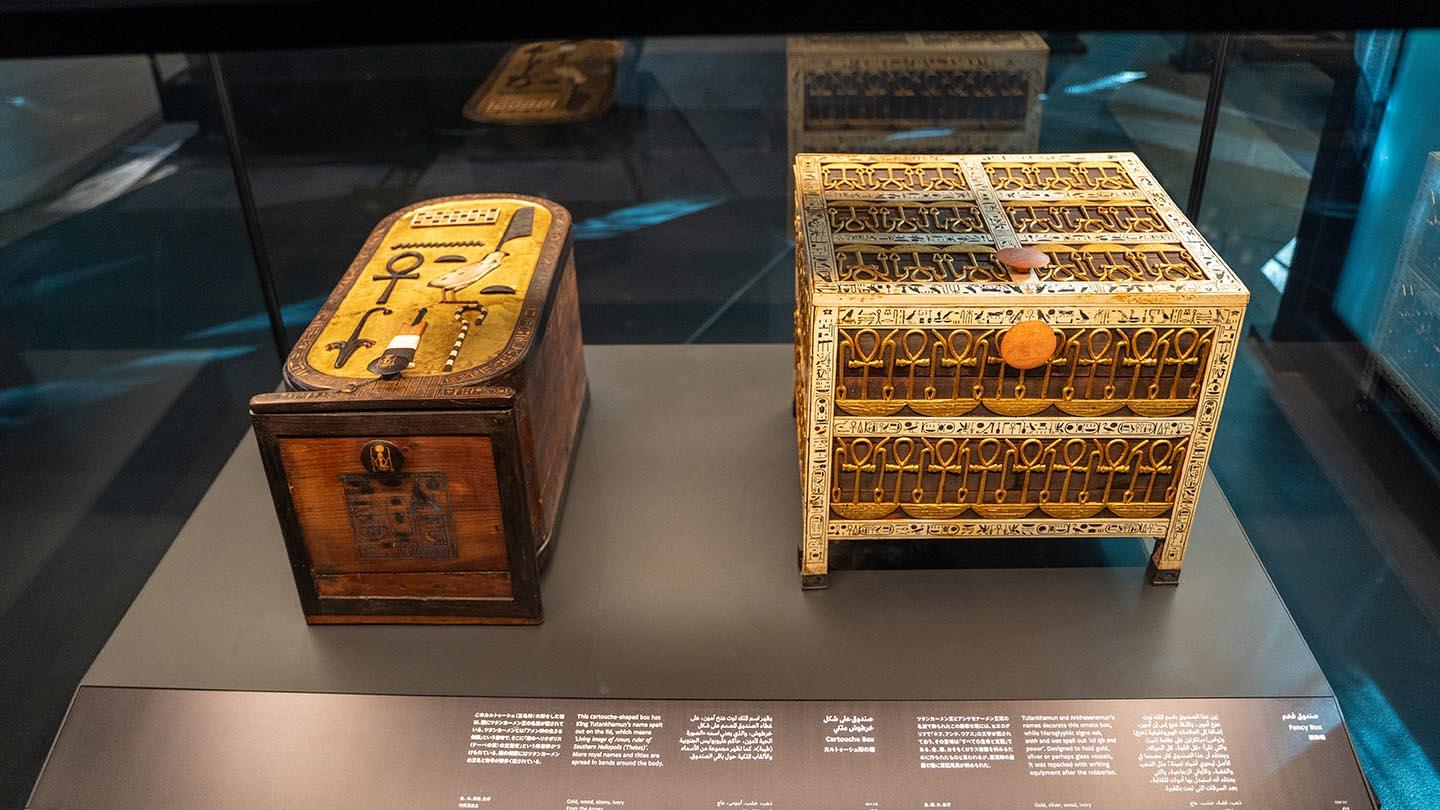
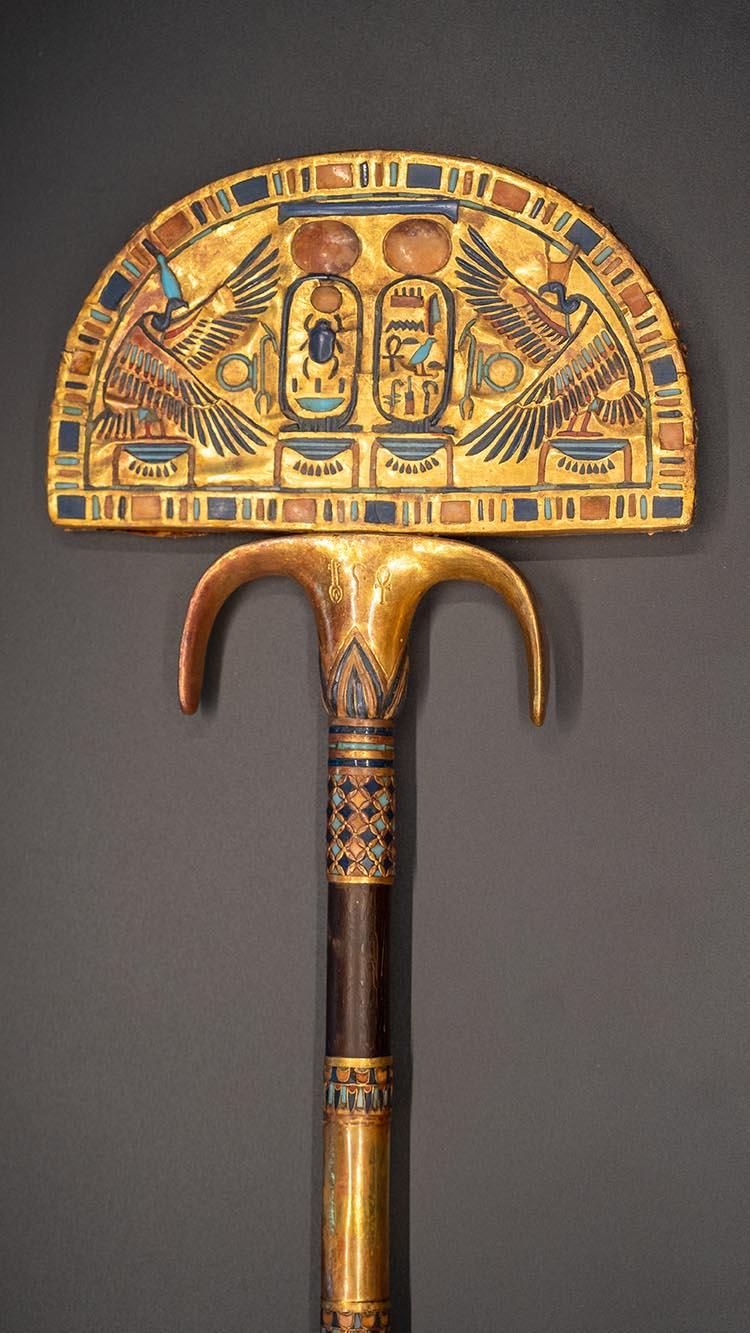
Egypt has experienced a significant tourism boom, how this will impact the expected number of tourists the country aims to attract?
We expect to end this year with around 19 million tourists, a 21% increase from 2024. This speaks volumes about the growing global confidence in Egypt as a safe, secure, and attractive tourism destination.
We are optimistic about sustaining this momentum. Our target is not just about increasing numbers; it is about ensuring sustainable, balanced growth across all segments of the tourism industry. To sustain this growth, we are now focusing on two key pillars: the first is expanding accommodation capacity across all segments, from fixed and floating hotel resorts and lodges to the growing holiday homes market.
We are also conducting comprehensive capacity studies to assess each destination's accommodation needs, ensuring investments are aligned with growth potential.
These studies will form the foundation of a national accommodation plan, serving as a strategic guide for hotel development and tourism investment across Egypt
The government is actively working to attract new investments by launching incentives to support the renovation of existing hotel rooms and stimulate further expansion.
Discussions are also underway to introduce additional incentives for the construction of new hotels across Egypt.
In parallel, the expansion strategy includes increasing the number of floating hotels and promoting innovative accommodation models, such as holiday homes and Dahabiyas, which are expected to account for approximately 20% of the required room capacity.
The second pillar focuses on enhancing connectivity, both internationally, by strengthening links with key source markets, and domestically, by improving travel between Egyptian cities and destinations, to facilitate easier journeys and elevate the overall visitor experience.
We also have a very successful Aviation Incentive Program, which has significantly helped attract new markets to Egypt by supporting airlines that consider Egypt a vital destination. It also supports and encourages the operation of charter flights from target markets. Through this program, the ministry also offers incentive packages to boost tourism to specific destinations or during certain periods, such as those provided to airlines operating flights to Luxor and Aswan in the summer.
The Aviation Incentive Program drove substantial growth in air traffic from May to September 2025 compared with the same period in 2024. Flight volumes increased by 24%, passenger numbers rose by 25%, and airline seat capacity expanded by 25%, surpassing all established targets.
.jpeg)
The Nile cruise sector has started to recover after years of stagnation. How is the ministry supporting this sector?
The Nile cruise industry is one of Egypt’s most distinguished and valuable tourism products and revitalising it is a strategic priority for the Ministry. We are implementing a comprehensive set of measures to ensure that the sector’s recent recovery is sustained and translated into long-term growth.
Our first focus is on expanding Egypt’s floating hotel capacity, particularly following the introduction of long-haul Nile cruise itineraries between Cairo and Aswan. These new routes, which pass through the governorates of Minya, Assiut, and Sohag, offer a unique, extended visitor journey that enhances the overall experience.
These itineraries also increase visitation to archaeological sites and museums across Upper Egypt, enhance access to points along the Holy Family Trail in these governorates, and promote local handicrafts, customs, traditions, and cuisine.
We place a strong emphasis on improving the quality, safety, and competitiveness of the Nile cruise product. This includes the continuous upgrading of existing marinas and moorings; the construction of new facilities; ongoing training and development of floating hotel crews, with shorter intervals between training cycles to maintain high service standards; and regular review and enforcement of civil protection and safety protocols to ensure the well-being of both vessels and passengers.
To ensure smooth and safe navigation, the Ministry is working closely with all relevant authorities to reliably maintain navigational buoys along the Nile, remove aquatic plants that may affect their stability, perform continuous dredging to eliminate obstacles that could impede vessel movement, and strictly oversee that all operating vessels possess the necessary tourism licenses across all sections of the river, especially between Luxor and Aswan.
The Tourism Promotion Authority aims to revitalize sectors like cultural, sports (including diving), medical, yacht, and religious tourism. What is its strategy for developing these sectors to achieve tangible results?
The Ministry's vision is to showcase Egypt's ‘Unmatched Diversity’, emphasizing the wide range of tourism experiences available, including cultural, beach, spiritual, eco, adventure, and medical tourism. We collaborate with our partners to ensure each tourism product reaches its full potential and attracts visitors worldwide.
The Egyptian Tourism Authority's 'Unmatched Diversity' campaign positions Egypt as a unique destination where history, culture, and adventure come together. Our approach leverages a dynamic, data-driven marketing strategy that focuses on enhancing our digital presence and utilizing AI tools for targeted messaging.
We aim to expand into new markets through co-marketing campaigns with international tour operators and by participating in major tourism exhibitions, including ITB, WTM, and ATM. Organizing exhibitions abroad and hosting familiarization trips for travel professionals and influencers also play key roles in our strategy.
Our goal is to position Egypt as the world's leading destination with unmatched diversity in the coming years.
He Magazine is celebrating its 26th anniversary and is proud to be the only magazine available for three months in EgyptAir's business class lounges at Cairo International Airport, as well as on select international flights. What message would the Egyptian Minister of Tourism and Antiquities like to share with readers to encourage people from around the world to visit Egypt?
It is always a pleasure to connect with readers worldwide. Egypt is truly the Country of ‘Unmatched Diversity’, and this is more than just a slogan; it reflects our reality.
In Egypt, travellers can experience a unique blend of timeless heritage, stunning landscapes, pristine beaches, and vibrant culture, all in one destination.
I encourage all Egyptian readers to be ambassadors for our country, sharing the narrative of Egypt’s unmatched diversity and warmly inviting others to explore our rich history and contemporary spirit.
To the international audience, I warmly invite you to discover a destination that surprises and inspires. Egypt is ready to welcome you to experience its unmatched diversity.
Interview by: Amr Selim
Creative Director: Noureldin Selim
Photography: Mohamed Fathi
Videography: Hany Farag
Mobile Coverage: Eslam Said
Written by: Mahmoud El Demerdash