Written by: Yasmine Hany
Date: 2026-06-24
Teba United .. A story of Excellence in Egypt’s Industrial and Construction Sector
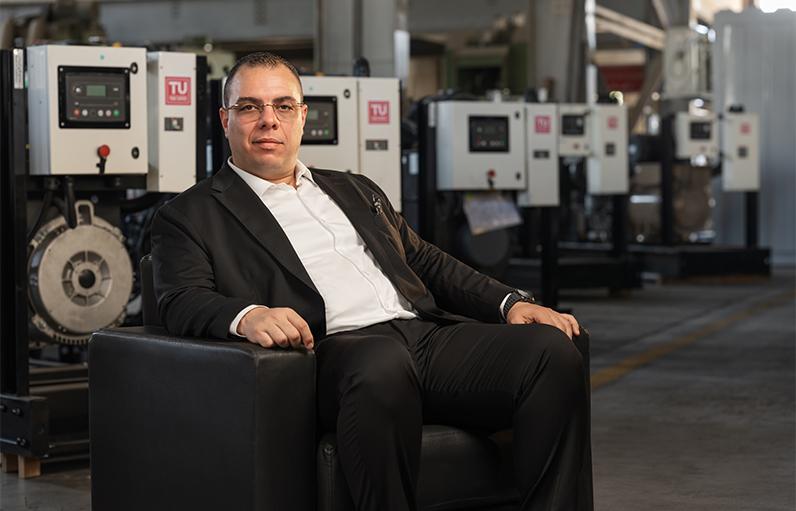
Engineer Ahmed Soliman Shares His Perspective on the Private Sector and the Future of Investments:
“We Are Living an Economic ‘Miracle’… and the Future is Even Brighter”
In the late 1980s, specifically in 1988, the journey began with a modest contracting company and a small factory in one of Shubra’s industrial zones. The founding idea was to combine two distinct fields—construction and manufacturing—at a time when such integration was considered highly ambitious. Nevertheless, the initiative proved successful, gradually laying the foundation for a long and evolving growth story.
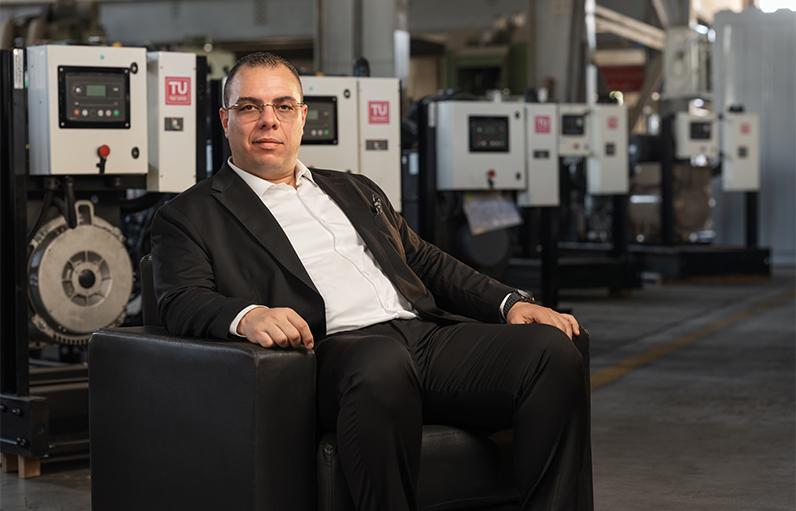
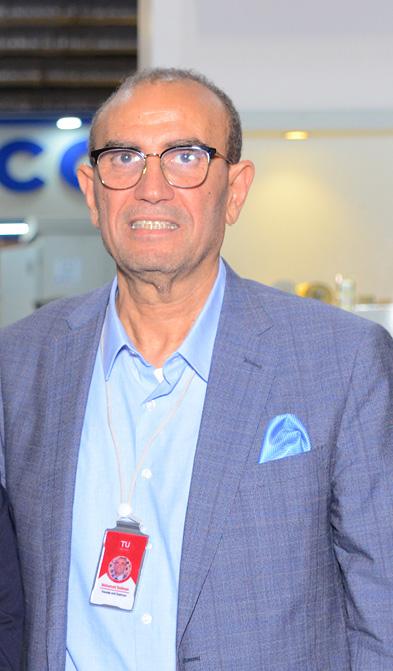
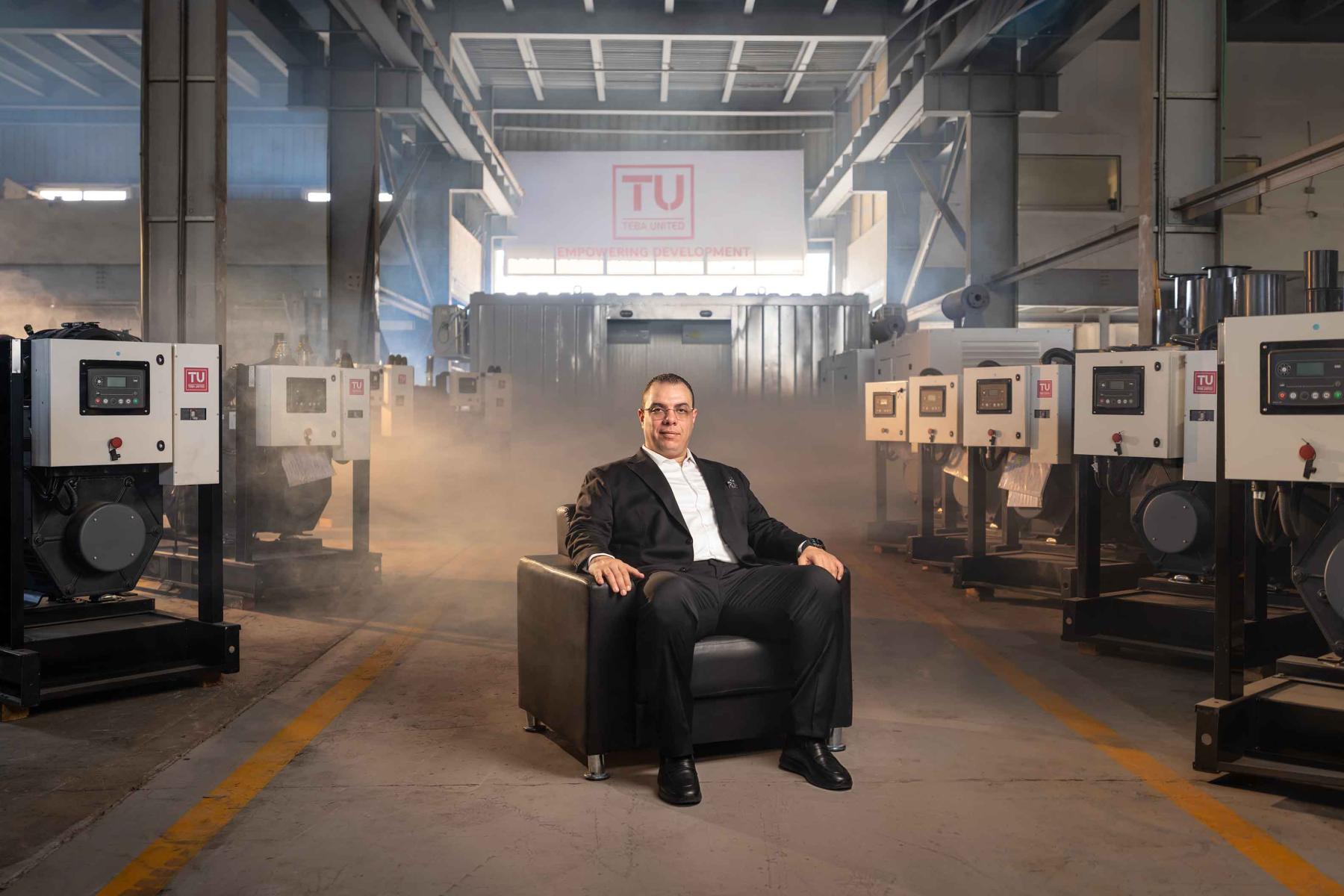
We met Engineer Ahmed Soliman, Chairman of Teba United, a company founded by his father and now steadily advancing across both manufacturing and contracting sectors. He spoke about his father, Engineer Mohamed Soliman, a pioneering leader and the driving force behind the company’s establishment. With a strong commitment to innovation and progress, he laid the foundations of the group and guided its early expansion. Known for his clear vision and unwavering determination, he elevated the company to new levels of development. Following his passing, his son has continued to build on this legacy, maintaining a strong culture of excellence and strategic leadership that reflects the same principles that defined his father’s career.
A dream comes true
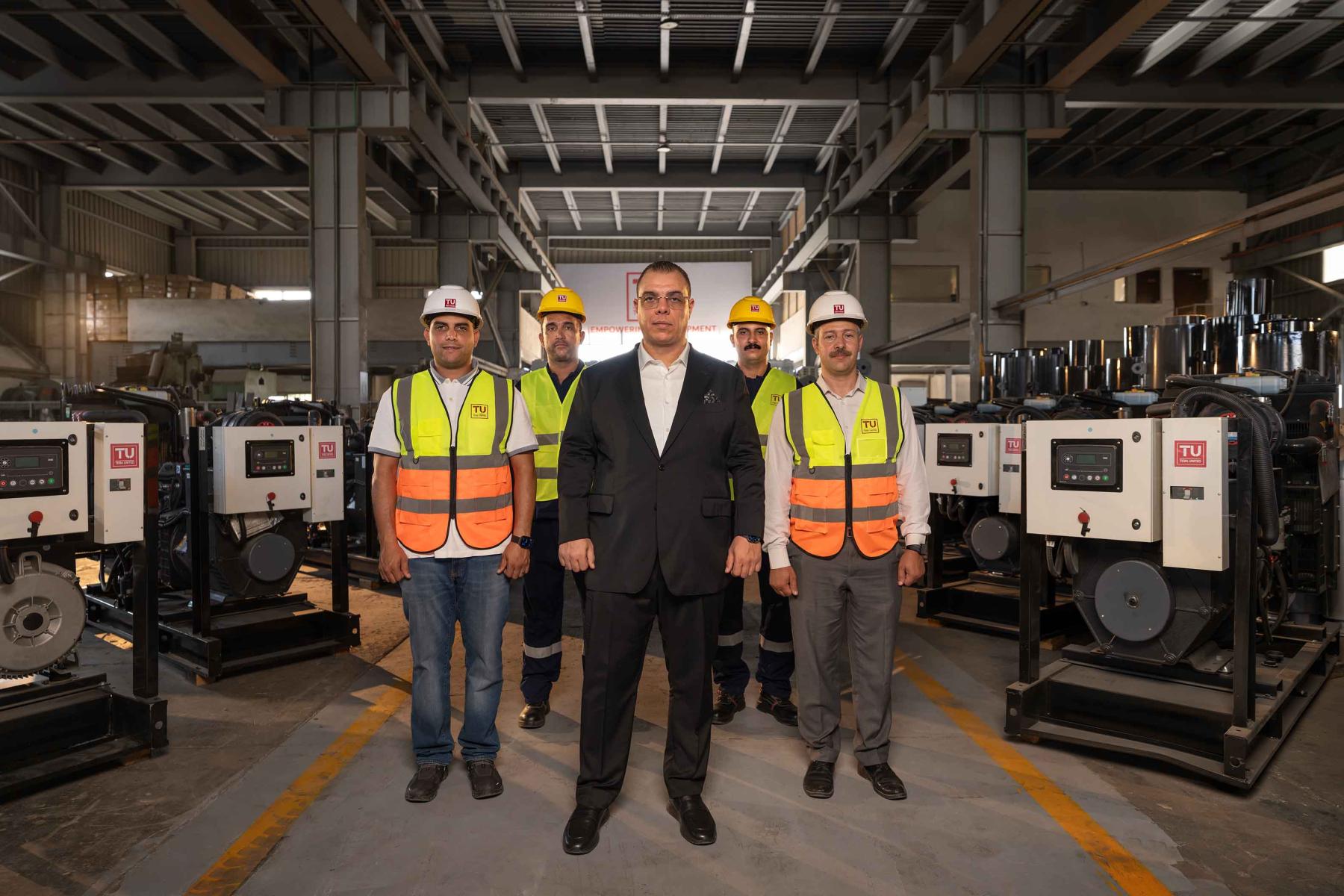
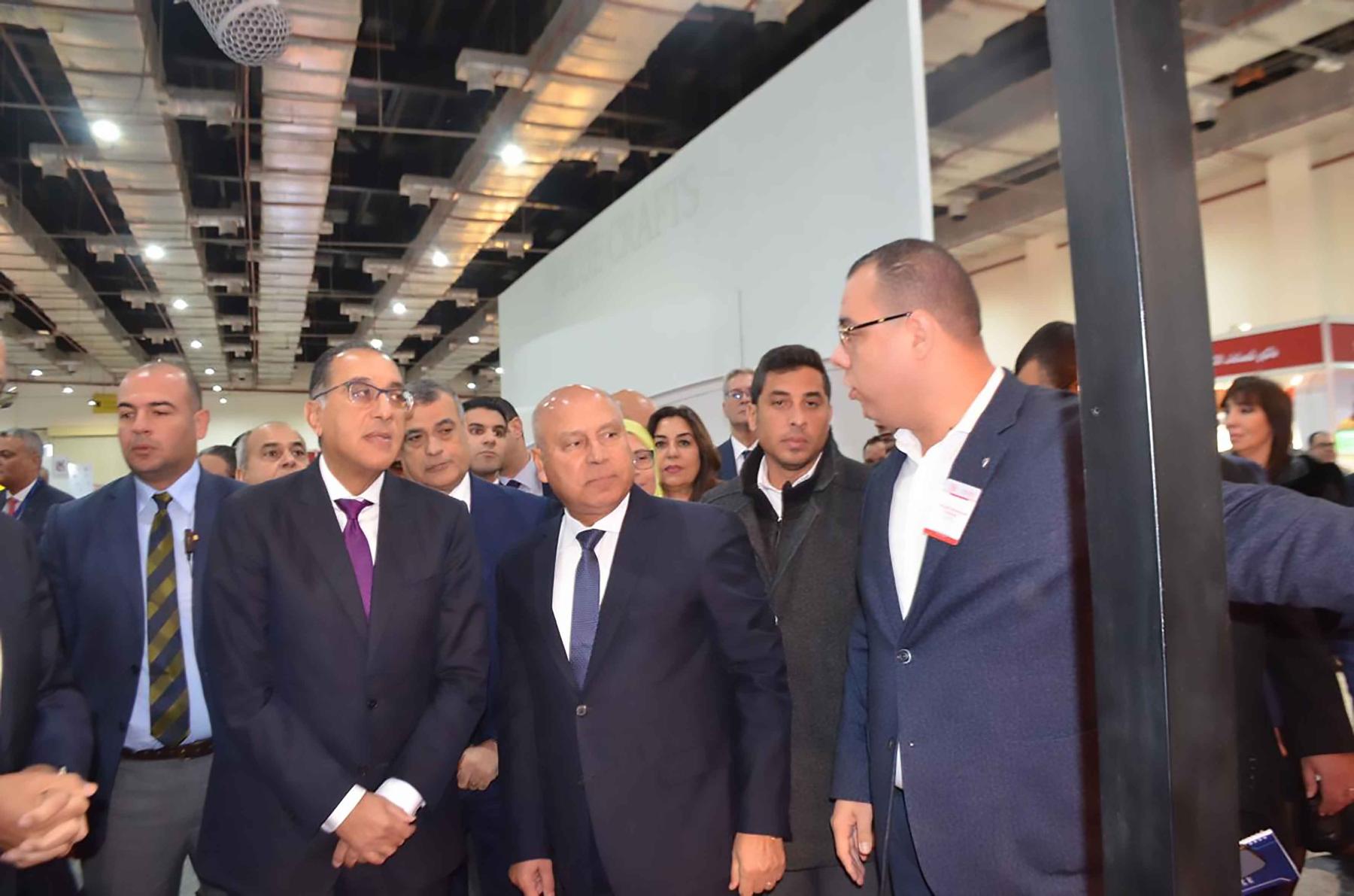
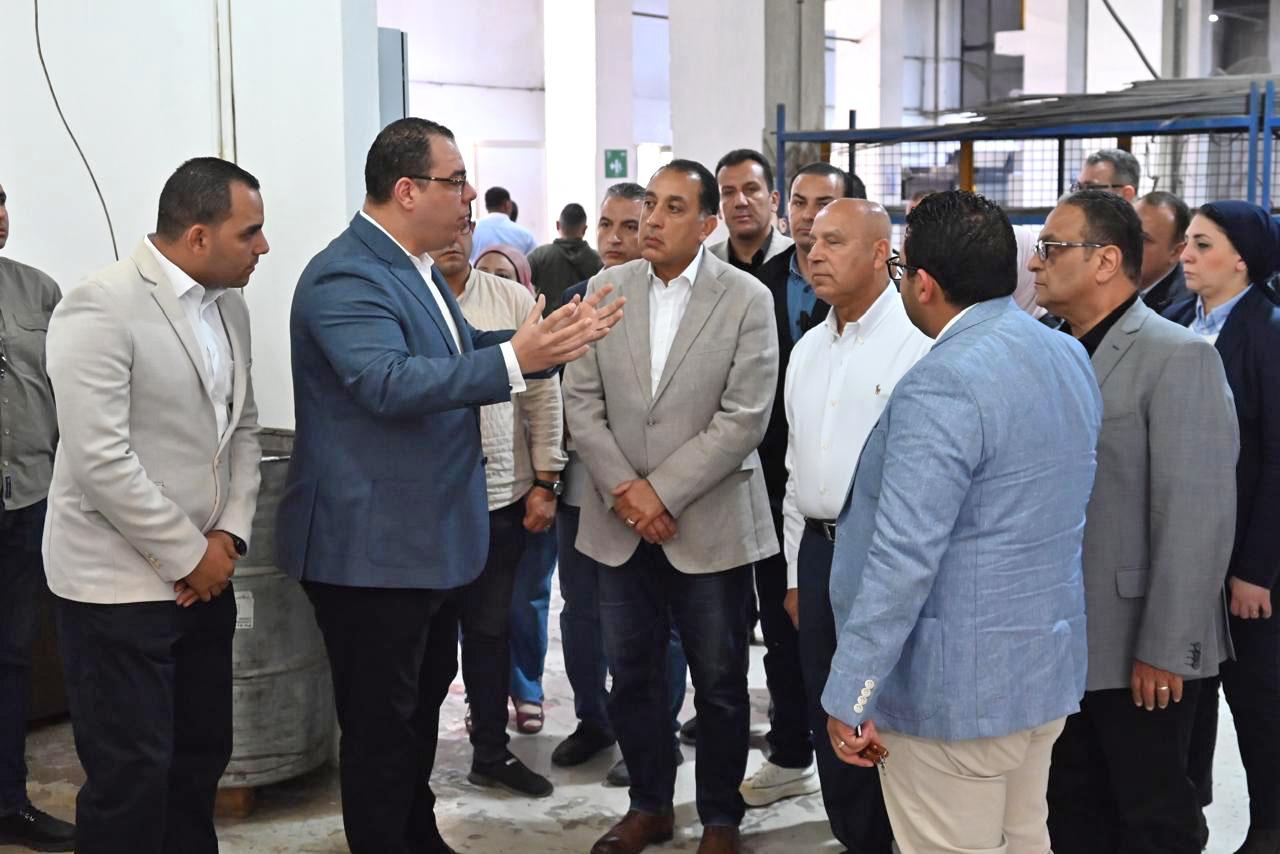
Over time, the manufacturing arm expanded from its original site in Shubra through the acquisition of adjacent land, before relocating to the Tenth of Ramadan City within one of Egypt’s earliest industrial complexes, known as “BIP.” Operations at the new facility began in 2011, following land acquisition in 2007, with development carried out according to advanced industrial standards. The site has since received high-level official visits, including from the Prime Minister and the Minister of Industry, as well as international delegations, all of whom commended its capabilities.
In parallel, the contracting division grew from small-scale projects into major developments across the market. Today, the company is among the leading contractors working with key government entities, including the Armed Forces, the Ministry of Interior, and the telecommunications sector, alongside a strong presence in private-sector projects, particularly in hospitality. It has also expanded into data centre investments, where it continues to execute large-scale projects and deepen its industrial capabilities.
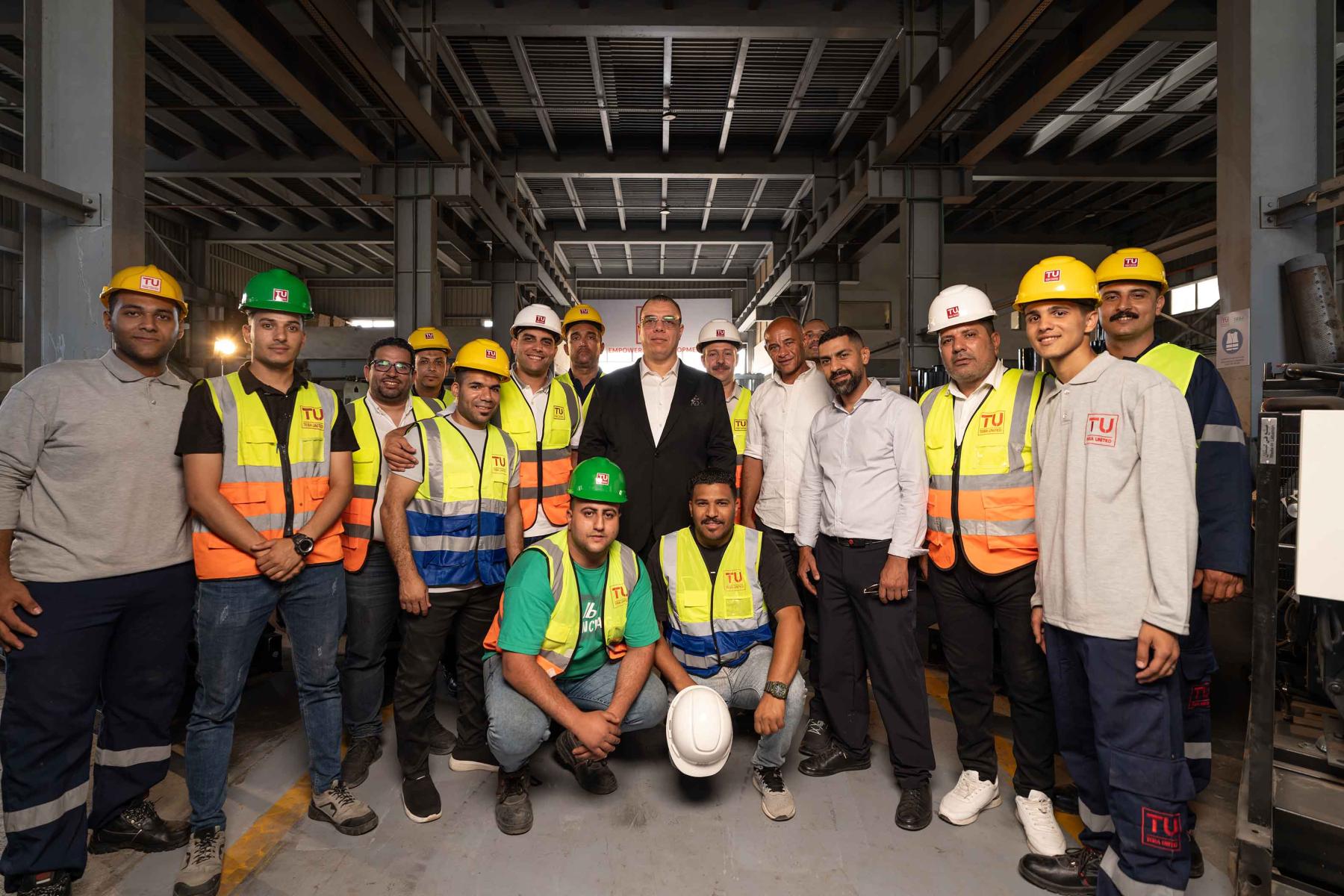
The company now employs over 1,000 professionals, including approximately 680 specialists in operations and maintenance, and serves more than 1,200 clients. Its operations are supported by 110 transport units and an industrial footprint of 29,000 square meters. To date, it has delivered over 7,000 projects across 12 sectors, with more than 650 certified products and 35 accredited industrial certifications, reflecting a consistent commitment to quality and performance.
Innovation and Challenge as the Foundation of Manufacturing
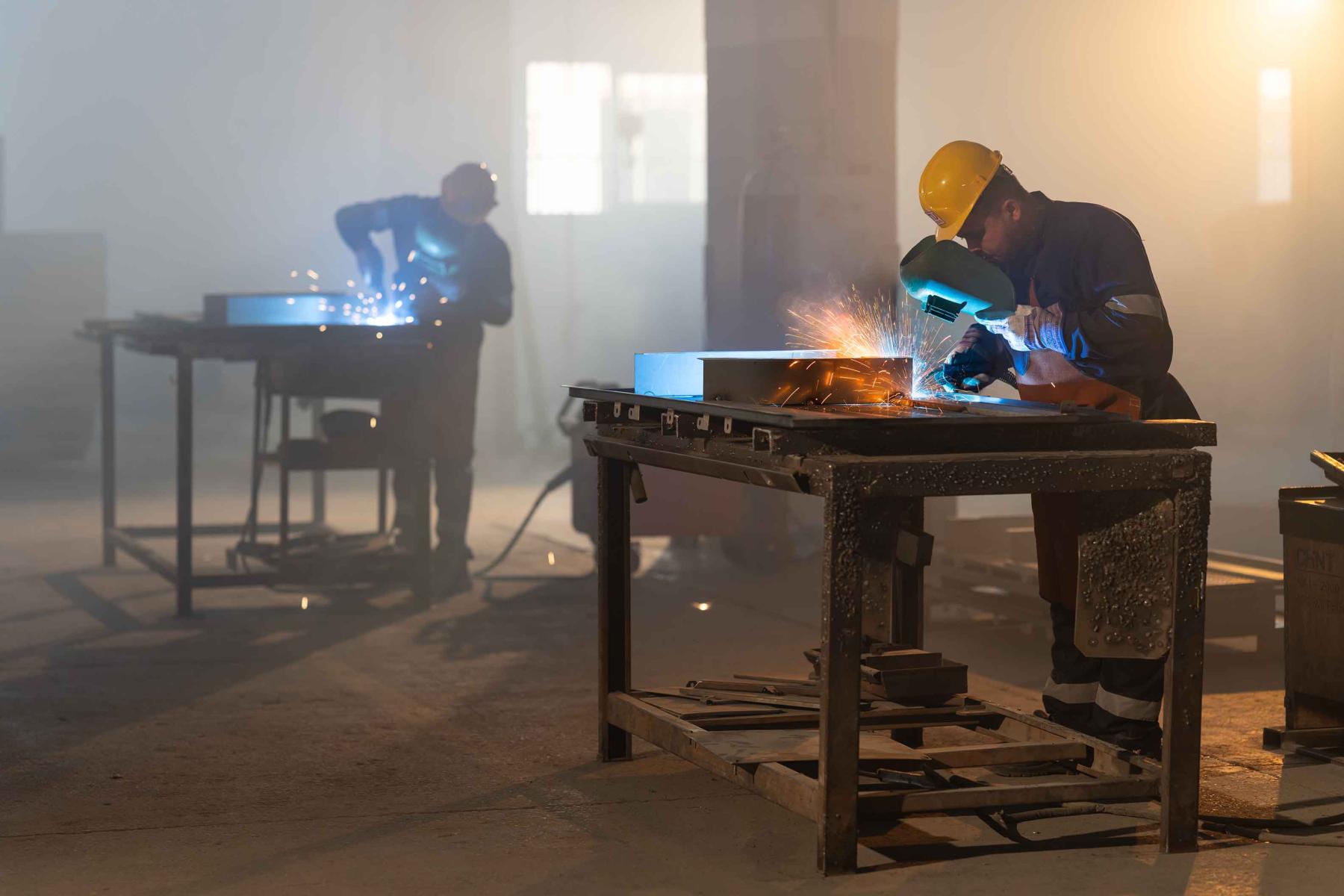
Ambition did not stop there. At the heart of the factory, there was always a drive toward greater complexity and advancement. Engineer Soliman explained that Teba United has been firmly committed to innovation and overcoming challenges. This approach enabled the company to excel in the production of electrical generators and distribution panels, while also engaging in partnerships with global companies and developing technologies that were not easily introduced into the local market. The challenge became even clearer when the company decided to manufacture precision components that had not previously been produced in Egypt.
He further noted that the company specialises in a wide range of engineering and industrial solutions serving critical sectors. Its portfolio includes the design and manufacturing of low-voltage panels, medium-voltage systems, and diesel generators, which are essential components in power and emergency projects.
Its operations also extend to lighting systems, cable management solutions, earthing systems, and lightning protection systems, all of which ensure the highest operational safety standards. In addition, the company’s portfolio includes specialised cables and fire alarm and firefighting systems, strengthening safety infrastructure across various projects. At a broader level, it provides integrated engineering and contracting services, combining design, execution, and operation into a unified delivery model capable of meeting diverse industrial and infrastructure requirements.
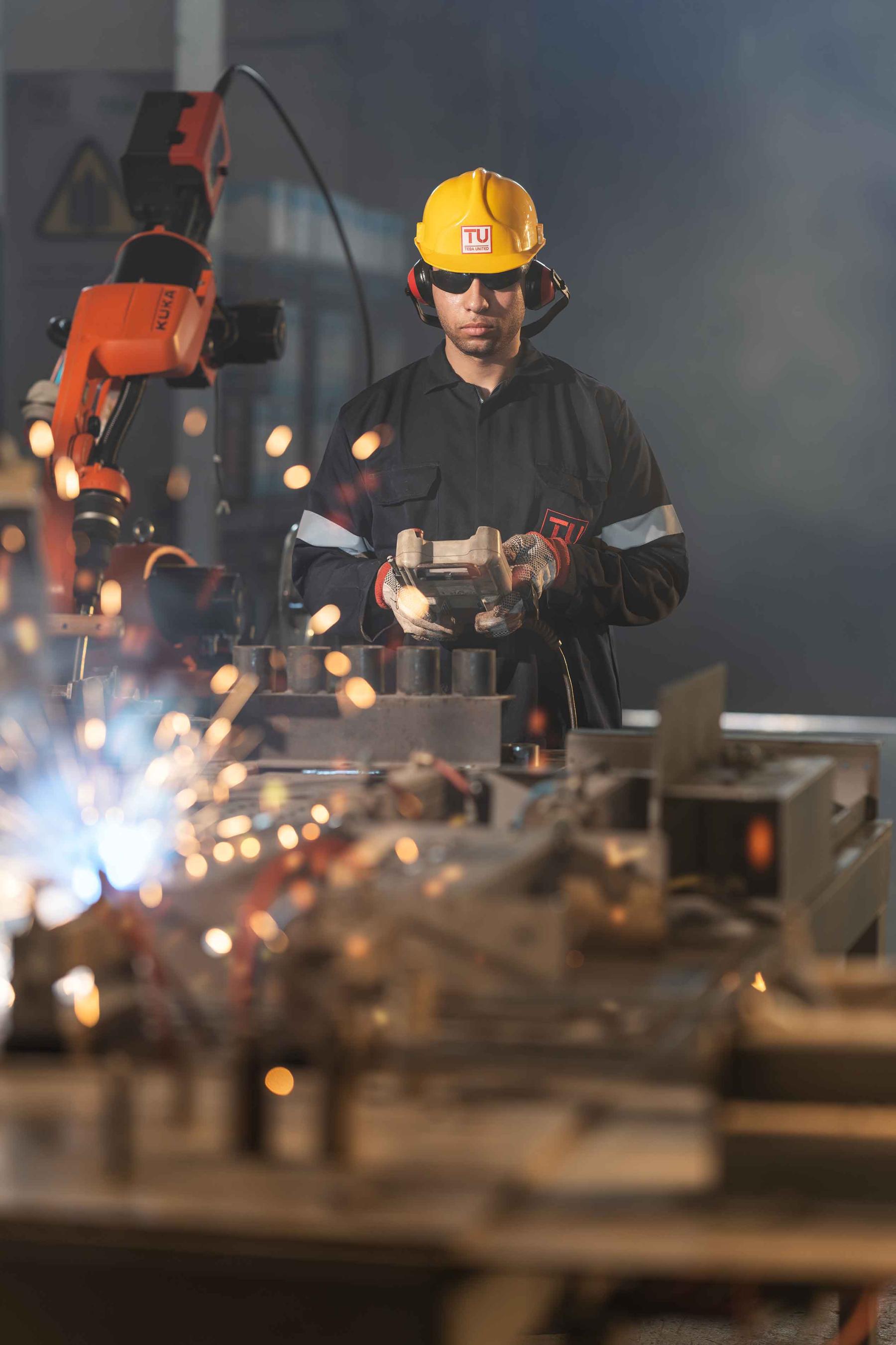
The company is also one of the major suppliers to Telecom Egypt in this field. It has entered the shelter systems sector in collaboration with Google, delivering integrated solutions including generators and electrical panels. It is further distinguished in generator manufacturing through partnerships with global companies such as Cummins, Perkins, and Stanford. In low-voltage systems, it maintains a partnership with Schneider Electric for panel manufacturing.
Notably, the company is the only manufacturer in Egypt of Air Circuit Breakers used in electrical kiosks, a milestone achieved after significant challenges in 2016 and 2017. It has also introduced advanced SF6 panel technologies with technical enhancements not available locally and is currently preparing for testing phases. Its focus remains on high-tech products, primarily serving government entities and private sector companies operating in power networks. Recently, it has also entered the UPS systems market in partnership with a Taiwanese company.
A UPS device is among the essential equipment found in facilities where any interruption of electric power is unacceptable, such as hospitals, security facilities, and some political premises. A UPS device differs from electric generators, which may take, for example, 5 to 10 seconds to restore power. However, a UPS ensures continuous and stable power without interruption.
In this context, we will be the first company in Egypt to manufacture and produce it locally, at a time when everyone else is importing it.
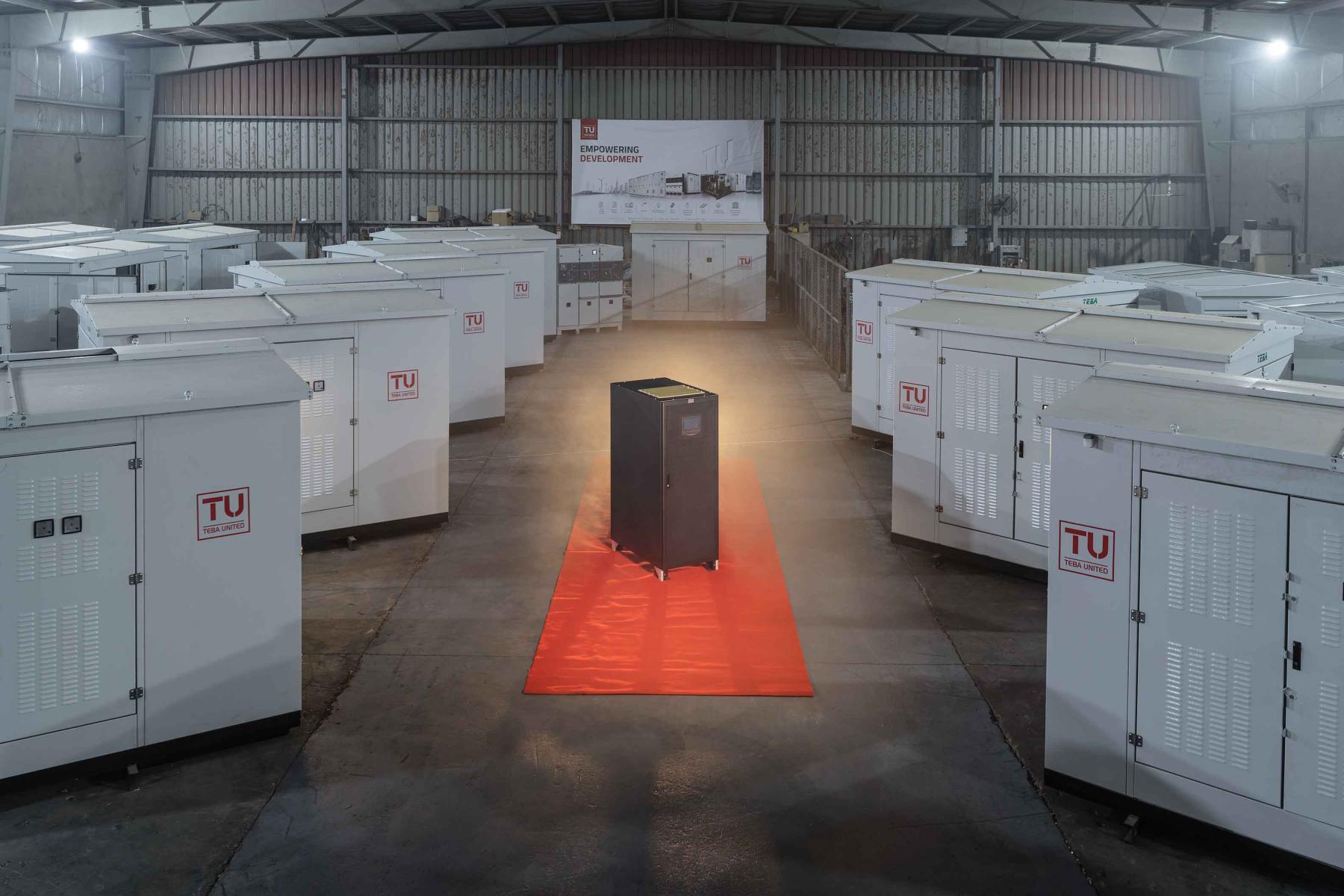
This will be done in partnership with a very large Taiwanese company, as Taiwan is known worldwide for its advancement in the technological field.
We have already entered into a partnership with that company, and, God willing, will soon start production. We have finalised signing the contracts and agreed on the production lines, which are about to arrive, and we will begin production very soon.
Over time, the company began to look beyond its local boundaries, establishing offices in Dubai and maintaining a presence in Sudan, with expansion plans awaiting regional stability. It became clear that the journey was no longer confined to the local market but was evolving into a broader regional and international presence.
A Broader Transformation in Egypt
In the background, Egypt itself was transforming. Infrastructure was developing, power networks were improving, and ambitious national plans were reshaping the landscape. Within this environment, the company found new opportunities, growing alongside these changes and, at times, contributing to them.
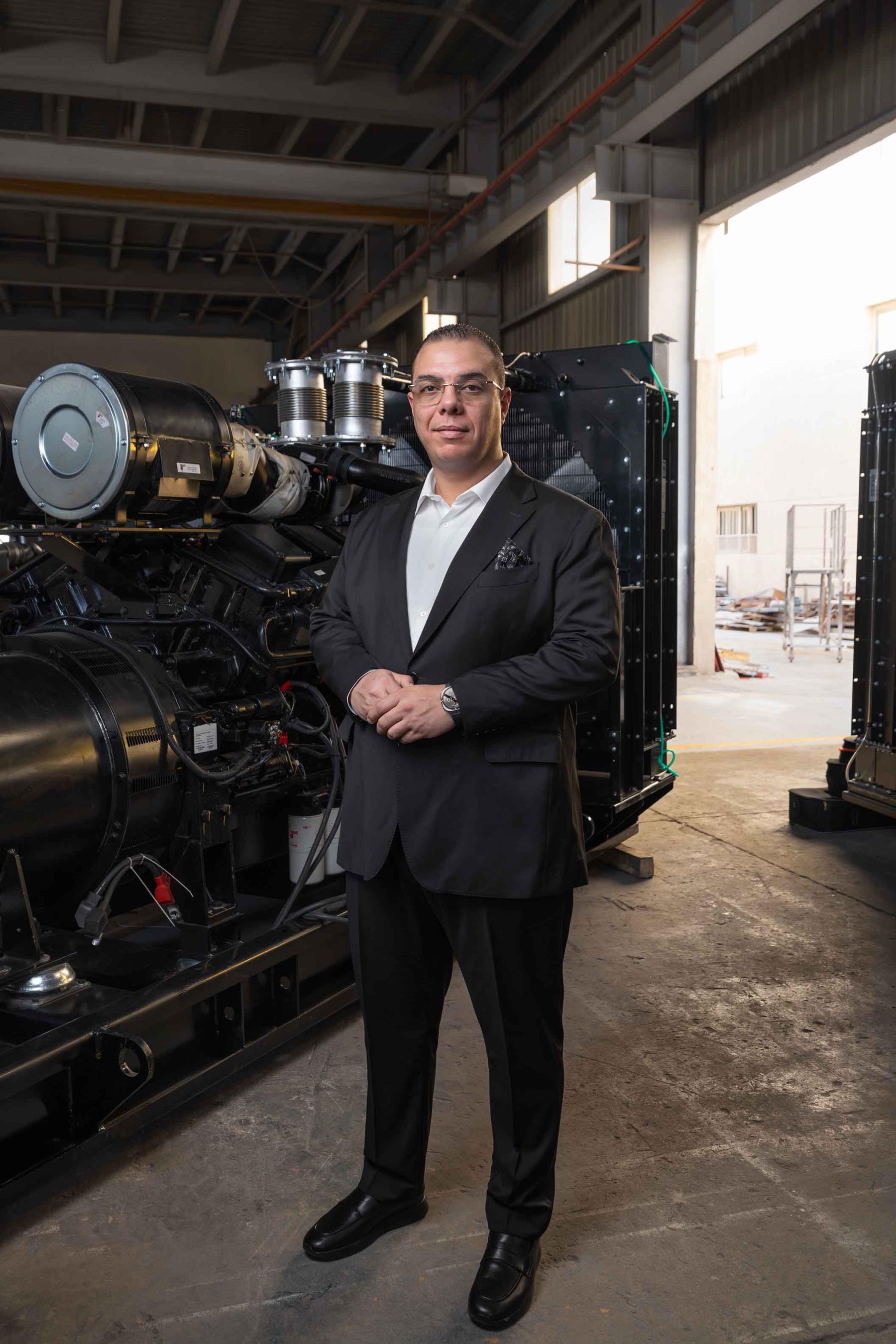
Engineer Soliman stated that Egypt’s energy sector has witnessed a major transformation in recent years, particularly under the leadership of former minister Dr Mohamed Shaker, during which the electricity grid underwent comprehensive development. This progress has positively impacted companies operating in the sector. Nevertheless, efforts continue steadily within the Ministry of Electricity to address remaining challenges in transmission and distribution networks, reflecting a clear commitment to building a fully efficient and reliable infrastructure.
He emphasised that the investments made in this sector are unprecedented, with what has been achieved over the past decade comparable to developments that would typically take seventy years. These were not merely figures, but a genuine transformation that restored electricity’s role as a key pillar of development and opened the door to a more stable and efficient phase.
These reforms have significantly improved service quality, particularly through reducing technical losses that previously represented major inefficiencies. Modern policies, such as the introduction of prepaid meters, have also contributed to reducing waste and ensuring greater fairness in consumption.
Overall infrastructure quality has become a key factor in attracting foreign investment, supported by integrated systems of roads, electricity, water, and sanitation networks.
He added that what has been achieved over the past 10 to 15 years can be described as extraordinary, even close to miraculous. However, infrastructure still requires further expansion in renewable energy sources such as solar and wind power to reduce dependence on traditional fuels, alongside investment in nuclear energy, which represents one of the most important future energy sources.
He also stressed the importance of advancing smart grid systems and increasing investment in data and communications, which he views as the most promising and investment-attractive sectors in the coming decades.
Public–Private Sector Cooperation
In the years following the revolution, the state appeared to bear the burden of investment alone, moving cautiously within a turbulent landscape and attempting to fill the vacuum left by the retreat of the private sector. It was an exceptional phase, shaped by circumstances, during which the state stepped forward to the front lines in response to an urgent need.
Over time, however, the picture gradually began to change. The state started to take a step back in order to rebalance roles, allowing greater space for the private sector to return to its natural position. This shift resembled a recalibration of an economic equation that requires all its components to function efficiently.
At the heart of this transformation, Engineer Soliman noted, there emerged a growing recognition of the value of the local investor. No longer seen merely as a domestic participant, the local investor became a cornerstone capable of attracting foreign investment. When international investors see a market built on solid foundations and led confidently by domestic players, entry becomes a far more secure decision.
He added that a deep understanding has always accompanied this dynamic: foreign investors, regardless of how long they remain, may withdraw at the first sign of crisis. In contrast, local investors do not have the luxury of leaving; their roots, interests, and future are tied to what they build on this land.
Within this context, the journey of Teba United continued. The path was never smooth, as the company faced significant shocks over the years—from the aftermath of the revolution, to the global financial crisis of 2008, then the COVID-19 pandemic, and later geopolitical tensions. Each crisis left its mark, but none marked the end of the road. Each time, the response was resilience, adjustment, and determination to move forward despite difficulties.
This was not merely a matter of numbers or projects, but a responsibility encompassing more than 1,200 employees. Such a scale meant that every decision carried the weight of families and livelihoods. Despite the shocks it endured, the company remained standing—sometimes stumbling, but never falling—continuing its path with accumulated experience and persistence.
The role of the government was also essential in helping the private sector overcome these shocks. Engineer Soliman noted that, for example, during the height of the COVID-19 pandemic, conditions in Egypt were notably stable compared to many parts of the world. Essential goods remained available, and supply chains continued to function smoothly, to the point that some observers viewed the situation with surprise, even envy. This stability was not accidental, but the result of proactive crisis management that preserved market balance at a time when many global systems were under severe strain.
Later, regional tensions presented another test. Yet once again, preparedness was evident. Plans were implemented early, and preventive measures were taken to reduce economic impact. While other countries were still reacting, Egypt had already moved several steps ahead, reflecting the accumulated experience of previous crises.
Financing Challenges
On another front, financial challenges proved no less demanding. In 2022 and 2023, interest rates reached extremely high levels of nearly 30%, creating a significant burden for any investor. Engineer Soliman described financing as a real challenge and pressing concern, though not without solutions. The company relied partly on self-financing and accelerated project delivery to ensure more stable cash flow, even though this placed additional pressure on operational teams. Nevertheless, it was necessary to maintain continuity.
While bank borrowing was still used, caution remained a priority, with efforts to minimise reliance on debt due to its high cost. Over time, conditions began to improve as monetary policy shifted toward lowering interest rates, restoring some balance to the financial environment. Amid all these changes, the objective remained unchanged: to continue operating, regardless of challenges, and to adapt to an ever-evolving reality.
The Real Estate Sector and Broader Economic Vision
Teba United’s statistics reflect a wide and established presence in the Egyptian market, with hundreds of projects delivered across vital sectors. The company has executed 350 projects in commercial and residential buildings, 66 in the industrial sector, and 15 in telecommunications. Its footprint extends strongly into healthcare with 200 projects, while infrastructure represents the largest share with 400 projects.
In the water sector, the company has completed 17 projects, alongside 66 in hospitality and 166 in textiles. Its portfolio also includes 13 administrative projects, 150 in education, 50 in oil and gas, and 32 in sports. These figures highlight a diversified portfolio that spans infrastructure, industry, and essential services, reflecting strong adaptability across markets.
Teba United specialises in integrated engineering and contracting services, including electrical, mechanical, civil works, finishing, and low-current systems within the broader construction and architectural engineering field. It is classified as a first-grade contractor in mechanical, electrical, and plumbing (MEP) works, delivering fully integrated solutions in line with the highest quality and safety standards.
Its mechanical expertise covers HVAC systems such as VRV and VRF, chiller units, and air handling systems, in addition to comprehensive firefighting solutions. The company also provides plumbing and drainage systems, infrastructure works, and full civil and finishing works from foundations to final architectural execution. Its project management approach integrates planning, quality control, risk management, and procurement, ensuring timely delivery and full coordination between design and execution.
Teba United has delivered a wide range of landmark projects across Egypt. In residential and commercial developments, its portfolio includes El Khamayel City, Kom El-Dikka Towers, El Attarine Towers, Police Mosque, and Alamein Villas. In the industrial sector, it has executed major projects such as the City of Medicine, Coca-Cola factories, Elsewedy cables facilities, and numerous plants in industrial and free zones across the country.
In telecommunications, the company has contributed to projects for Telecom Egypt (WE) and Vodafone, alongside digital infrastructure and operations centres. It has also played a role in national infrastructure projects such as the New Administrative Capital, the Haya Karima initiative, and Toshka developments. In water infrastructure, it has delivered treatment plants in New Valley, Mansoura, and Hurghada, while its administrative projects include sovereign buildings, conference centres, and police academies.
Engineer Soliman views Egypt’s real estate sector as one of the most stable and continuously growing markets, despite pressures from rising prices and interest rates. He attributes this resilience to population growth and a deeply rooted culture of real estate savings among Egyptians, where property is seen as a haven and a long-term store of value.
He emphasises that the market has remained active even during crises, with major developers continuing to launch new projects. Demand remains strong both locally and from Arab and foreign investors who view Egypt as a promising investment destination. There are also increasing signs of foreign companies entering the market and growing interest in establishing data centres in the country.
He notes that the state has restructured its role in the market, focusing on social and middle-income housing while allowing greater space for the private sector. This has been accompanied by balanced urban expansion across East and West Cairo, supported by major improvements in transportation and infrastructure, which have opened new areas for real estate investment.
He concludes that demand will continue to rise in the long term, and that real estate has consistently proven over the past two decades to be one of the most effective stores of value compared to gold or foreign currencies.
Entrepreneurship and Manufacturing
Engineer Soliman advises entrepreneurs entering the manufacturing sector to understand its demanding nature. Manufacturing, he explains, is not a short-term venture but a long, continuous journey that requires endurance and long-term commitment. Unlike contracting or real estate, which tend to deliver faster returns, manufacturing is built on sustained investment, complexity, and gradual growth.
For this reason, governments increasingly seek to attract manufacturers rather than short-term investors, as factories tend to establish long-lasting operations that may span decades. Despite its challenges, manufacturing remains the backbone of any economy seeking true stability, transforming countries from consumers into producers and enabling export-driven growth.
Success in this field requires constant awareness of technological developments, careful selection of equipment, and a strong commitment to quality. Machinery is not merely a tool but the core of production, while quality is not an added advantage but a fundamental requirement for survival in the market.
A key challenge lies in breaking repetitive patterns and instead focusing on real market needs. Africa, in particular, represents a significant opportunity due to its growing demand and untapped potential. The presence of major global companies in Egypt is not coincidental but reflects recognition of the country’s strategic position as a gateway to the continent.
Within this framework, supporting industries play a crucial role in building complete value chains that lead to high-quality final products. Ultimately, quality remains the decisive factor that determines which companies endure and which fade away.
In real estate, precision is equally essential. No project can succeed without thorough planning, cost analysis, and strong engineering design, which forms the backbone of the entire sector.
Despite all challenges, manufacturing remains the most promising sector. This is not only due to its growth potential but also because the state has increasingly prioritised it, particularly through the development of technical education. In response, several companies have begun establishing academies and training initiatives aimed at transferring expertise and preparing a new generation equipped with the skills and knowledge needed to continue this journey.