Written by: Mahmoud Demerdash
Date: 2026-06-24
Turning Global Uncertainty into Opportunity
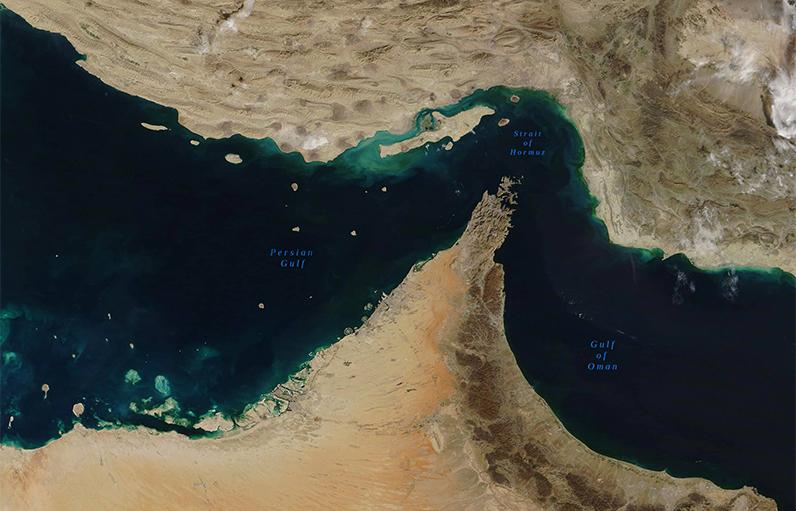
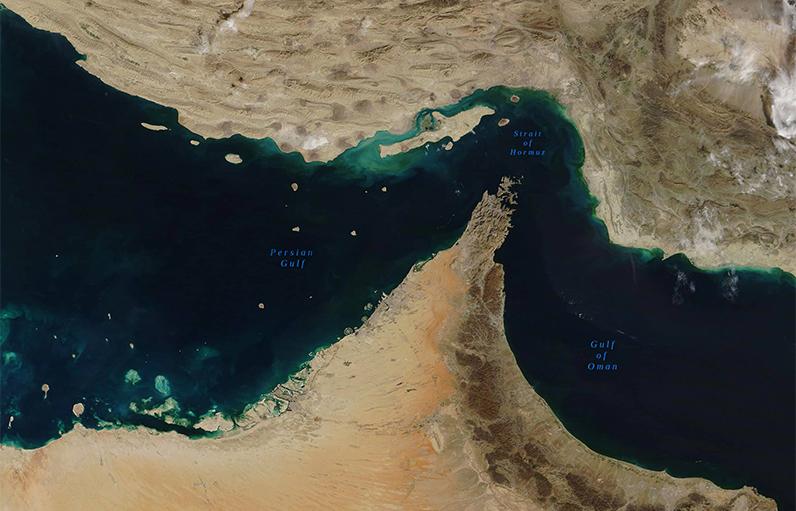
Thousands of kilometres from Egypt’s shores, a narrow strip of water barely 33 kilometres wide quietly shapes the fate of nations. The Strait of Hormuz, the critical chokepoint between the Persian Gulf and the Gulf of Oman, may appear geographically remote from Cairo or the banks of the Nile, yet Egypt’s relationship with this waterway speaks volumes about the country’s resilience, strategic vision, and growing confidence as a regional power. In an era of mounting global uncertainty, Egypt has not merely endured the pressures emanating from the Strait of Hormuz. It has crafted a bold, forward-looking response to them.
Understanding the World’s Most Critical Waterway
The Strait of Hormuz is widely regarded as the most strategically vital maritime chokepoint on earth. Connecting the oil-rich Persian Gulf to the Gulf of Oman and the Arabian Sea, it is the sole maritime outlet through which the petroleum-exporting nations of the Gulf, Saudi Arabia, Iraq, Kuwait, Qatar, the United Arab Emirates, and Iran, move their energy exports to global markets. More than 20 per cent of the world’s oil and liquefied natural gas passes through it daily. To disrupt the Strait of Hormuz is, in effect, to threaten the energy supply chains of much of the industrialised world.
For Egypt, the stakes of any disruption to the Strait of Hormuz are direct and immediate. The same global shipping lanes that pass through Hormuz converge on the Red Sea and eventually the Suez Canal. When global oil markets are destabilised, Egypt’s economy feels the effects through rising import costs and reduced canal traffic. It is precisely this vulnerability that has motivated the Egyptian government to act with such speed, ambition, and creativity in building a more secure and diversified energy future.
The Suez Canal: A National Asset Egypt Is Defending
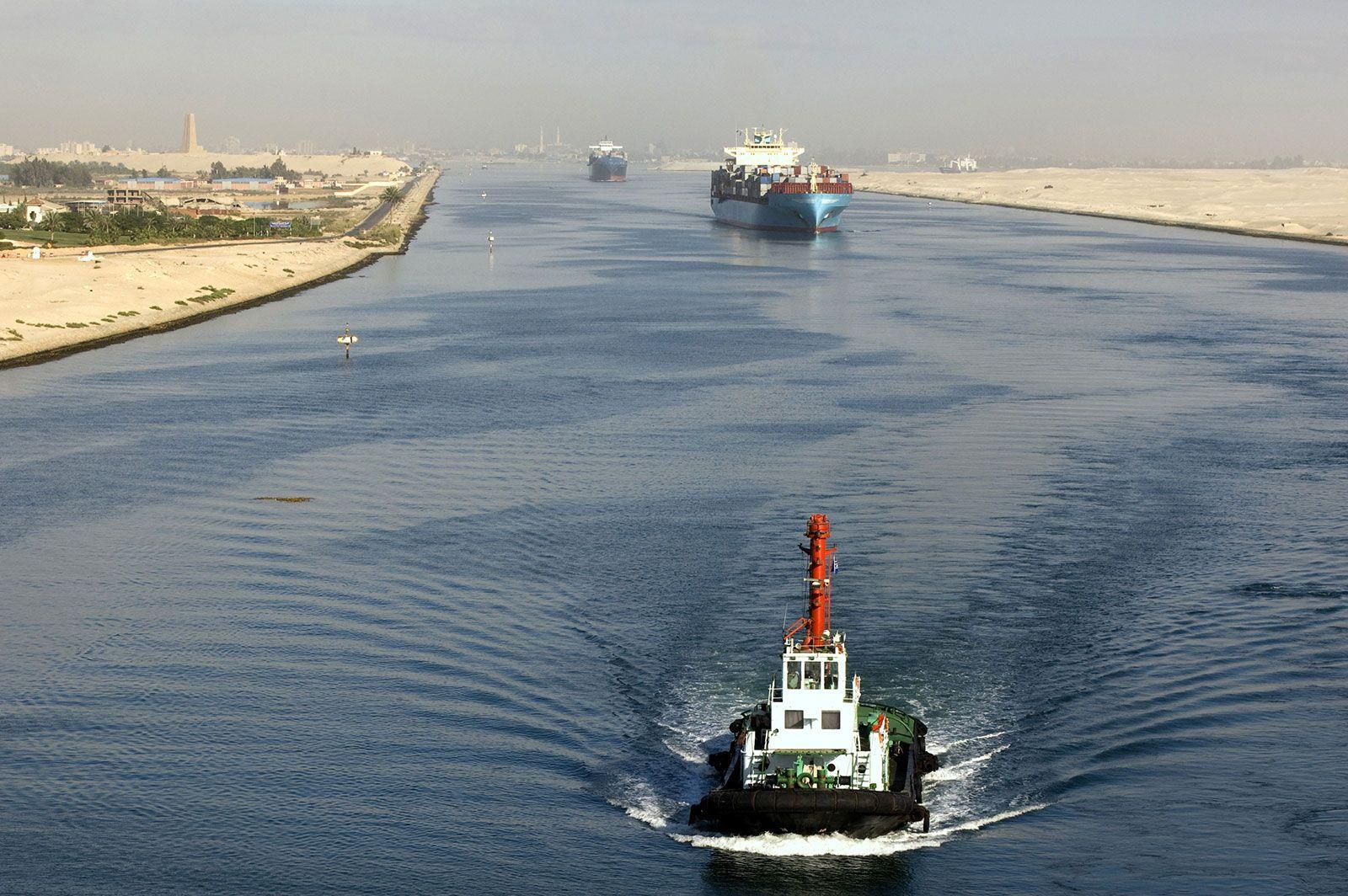
The most direct line between the Strait of Hormuz and Egypt runs through the Suez Canal. This extraordinary feat of engineering, 193 kilometres of man-made waterway connecting the Mediterranean Sea to the Red Sea, is one of Egypt’s most cherished national assets, generating approximately five billion dollars in annual transit fee revenues. It is a living symbol of Egypt’s central place in the architecture of global trade.
President Abdel Fattah El-Sisi has spoken with characteristic directness about the link between the Strait of Hormuz and the Suez Canal, warning that any closure of the strait could disrupt canal traffic at a sensitive moment for the Egyptian economy. But the government’s response has not been one of passive concern. Rather, the Egyptian leadership has used the pressure of instability in the Strait of Hormuz as a catalyst to double down on the infrastructure, partnerships, and logistics capabilities that make Egypt indispensable to global trade. The wider the global disruption, the more clearly Egypt’s unique geography becomes a strategic advantage rather than merely a vulnerability.
Securing Supply: The Algeria Partnership
One of the most significant steps Egypt has taken to reduce its exposure to Hormuz-linked energy disruption is the landmark crude oil agreement signed with Algeria in May 2026. During an official visit by Minister of Petroleum and Mineral Resources Karim Badawi to Algiers, the Egyptian General Petroleum Corporation (EGPC) and Algeria’s state-owned energy company Sonatrach signed a memorandum of understanding establishing a framework for cooperation in the purchase of Algerian crude oil.
The significance of this agreement extends well beyond its immediate commercial terms. By securing access to Algerian crude, sourced from across North Africa rather than through the volatile Persian Gulf corridor, Egypt is actively building a more resilient and diversified energy supply network. The deal reflects a deliberate strategy to ensure that Egyptian refineries and domestic energy consumers are not hostage to a single source of supply or a single maritime chokepoint. Minister Badawi described the agreement as building on strong bilateral relations and contributing to Egypt’s long-term strategy to diversify energy import sources and ensure supply stability amid global market fluctuations. Egypt’s growing commercial relationship with Algeria also goes deeper: an Egyptian-led consortium including Petrojet, a subsidiary of EGPC, has signed a $1 billion contract to develop the second phase of the Hassi Bir Rekaiz oil field in Algeria, helping to build the very supply that Egypt will draw upon.
A Five-Year Investment Drive: 480 Wells and $5.7 Billion
The Algeria deal is just one element of a much broader Egyptian energy security strategy. The Ministry of Petroleum has launched an ambitious five-year programme targeting 480 new exploration wells and $5.7 billion in investment, with 101 wells already assigned for drilling in 2026 alone. These span the Western Desert, the Gulf of Suez, Mediterranean offshore areas, and the Nile Delta, as part of a nationwide push to rebuild domestic reserves and stabilise Egypt’s own oil and gas output.
The results are already visible. In late 2025, Egypt awarded three new exploration contracts worth over $121 million to international partners including Dragon Oil, Perenco, and Apache Egypt. Minister Badawi has also highlighted the ministry’s remarkable achievement in reducing outstanding dues to foreign energy partners from $6.1 billion in mid-2024 to approximately $1.3 billion, a demonstration of financial discipline that has significantly improved Egypt’s attractiveness as an investment destination. Over $17 billion in international energy commitments have followed, reflecting growing global confidence in Egypt’s energy sector.
The SUMED Pipeline: Egypt’s Energy Corridor Card
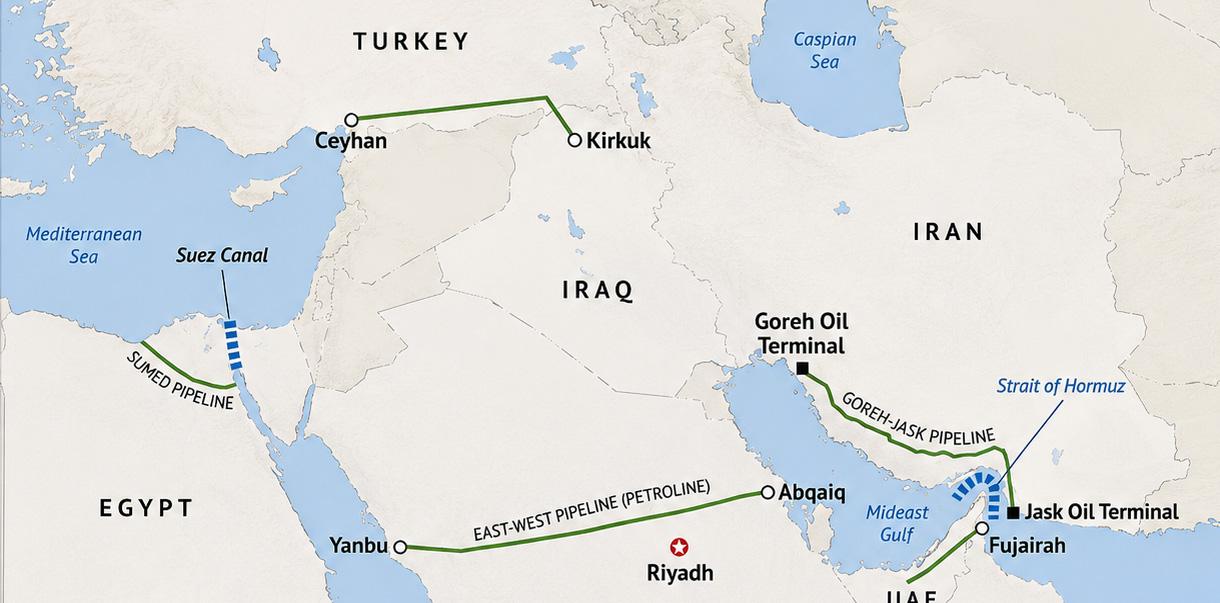
Beyond securing its import supply, Egypt holds a powerful strategic card in the form of the Suez–Mediterranean Pipeline, known as SUMED. This overland pipeline links the Ain Sokhna terminal on the Red Sea to the Sidi Kerir terminal near Alexandria on the Mediterranean coast, offering an alternative route for oil that might otherwise be stranded by a disruption at Hormuz. Having transported nearly 25 billion barrels of crude oil since 1974, the SUMED pipeline is a proven, world-class piece of energy infrastructure.
When tensions at Hormuz flare, Egypt has been quick to position the SUMED pipeline as a viable alternative for Gulf oil producers. Saudi crude can be loaded at Yanbu on the Red Sea coast, shipped by tanker to Ain Sokhna, transferred via pipeline, and dispatched from Alexandria to European markets, thereby bypassing the Strait of Hormuz. For Egypt, this transforms a moment of regional crisis into a moment of Egyptian relevance and revenue. The longer instability persists in the Gulf, the more the world comes to appreciate the value Egypt has long held.
Building the Logistics Corridor of the Future
Egypt is not waiting for crises to demonstrate its value. The government has been proactively developing alternative trade corridors that offer Gulf nations and global shipping companies a reliable, permanent route through Egyptian territory. A new roll-on/roll-off (Ro-Ro) transit service, launched in partnership with Saudi Arabia, has created an uninterrupted logistics link between Europe and Gulf markets. Vehicles, machinery, and cargo can be shipped from Gulf ports to Egypt’s Red Sea terminals, transported overland across the country, and re-exported from Mediterranean ports to European destinations, all without passing through either Hormuz or the increasingly threatened Bab El-Mandeb strait.
This corridor represents a long-term strategic vision for Egypt as the premier transit nation at the crossroads of three continents. Economists and logistics experts anticipate that Gulf nations will grow increasingly dependent on this Egyptian corridor as maritime threats persist. Far from being a passive recipient of global trade disruption, Egypt has positioned itself as the solution.
A Green Energy Revolution Running in Parallel
Perhaps the most forward-looking dimension of Egypt’s response to Hormuz vulnerability is the government’s sweeping push towards renewable energy. The administration has set an ambitious target of generating 42 per cent of installed power capacity from renewable sources by 2030, rising to over 60 per cent by 2040. This is not a distant aspiration; it is an active programme backed by billions of dollars in investment and concrete infrastructure projects already underway.
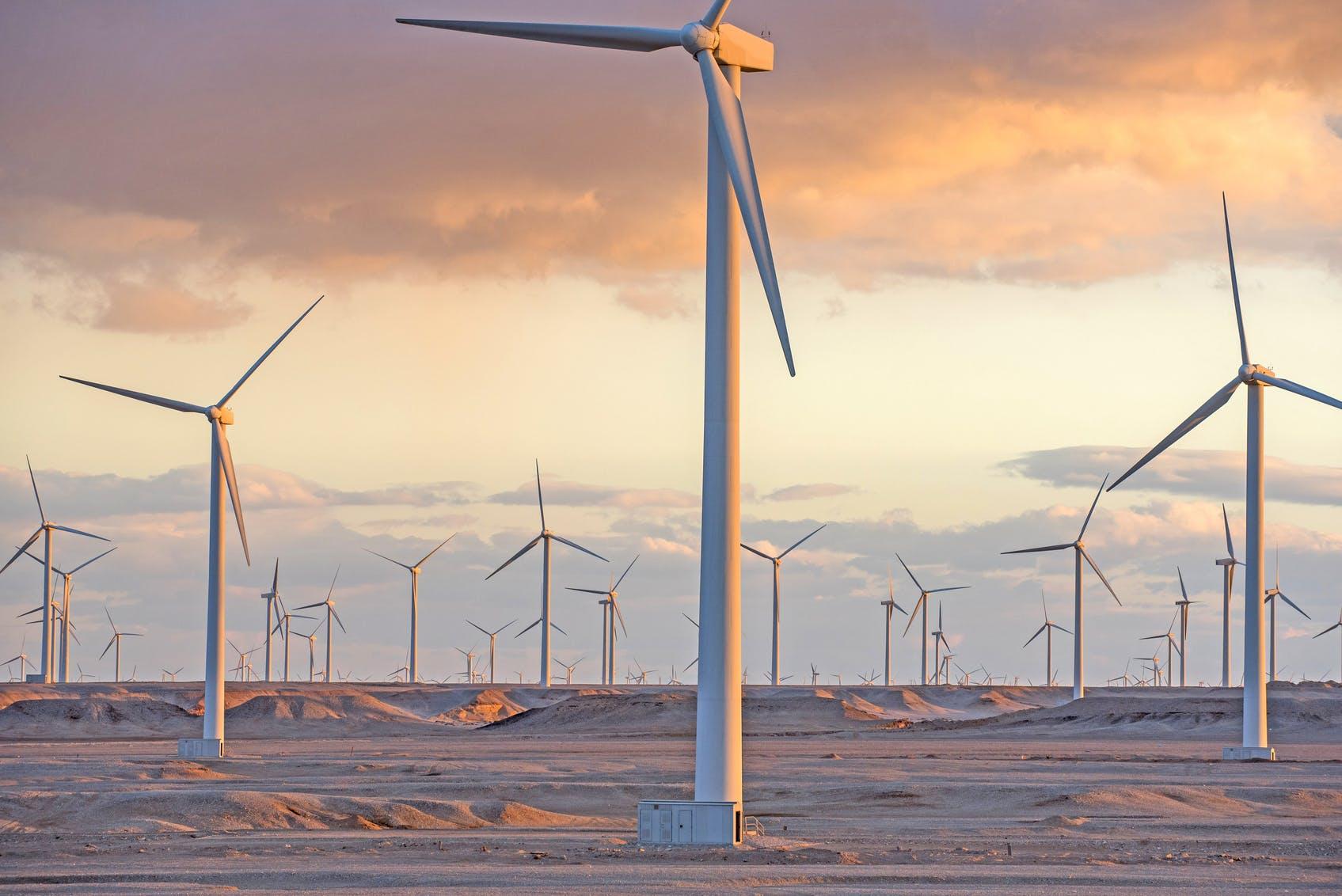
A $1.5 billion wind energy project in the Gulf of Suez, developed in partnership with ACWA Power, is expected to supply energy to over one million Egyptian households by 2026 while avoiding 2.4 million tons of annual carbon dioxide emissions. The Egyptian Sovereign Fund has been instrumental in structuring such investments, demonstrating the government’s determination to mobilise both public and private capital for the energy transition. In parallel, Egypt’s National Strategy for Low-Carbon Hydrogen, approved by the Supreme Council of Energy, targets a 5-8 per cent share of global hydrogen trade by 2040, with up to $60 billion in projected investment. Every megawatt of renewable energy installed is a megawatt that reduces Egypt’s dependence on imported hydrocarbons and, by extension, its exposure to Hormuz disruption.
Egypt’s Diplomatic Posture: Stability as a National Interest
Underlying all of these economic and energy initiatives is a coherent diplomatic strategy. Egypt has consistently advocated for de-escalation and the protection of freedom of navigation, understanding that its national prosperity is inseparable from the stability of the wider region. Cairo has called for restraint and dialogue during periods of peak Gulf tensions, positioning itself as a voice of moderation. This country understands the consequences of conflict because it lives with them firsthand.
This diplomatic identity enhances Egypt’s commercial value. A country seen as a reliable, neutral, and stable transit partner, one that keeps goods and energy moving even when the wider region is in turmoil, attracts investment, commands premium logistics fees, and builds the kind of long-term relationships with Gulf states, European partners, and Asian importers that underpin sustainable economic growth. Egypt’s response to the Hormuz challenge has, in this sense, been as much about soft power as hard infrastructure.
A Nation Rising to the Challenge
The Strait of Hormuz is not merely a distant geopolitical flashpoint for Egypt. It is a living test of the country’s resilience, adaptability, and strategic imagination. And by every measure, Egypt is passing that test. The Algeria crude oil agreement, the five-year domestic exploration drive, the SUMED pipeline’s growing global relevance, the Saudi–Egyptian logistics corridor, the renewable energy revolution, and the government’s disciplined reduction of debt to international partners, each of these is a piece of a coherent, ambitious national strategy.
Egypt has understood, perhaps better than any other nation in the region, that geography is not destiny; it is opportunity. The Suez Canal, the SUMED pipeline, the Red Sea coastline, the Mediterranean ports: these are not passive inheritances. They are active instruments of national policy, and a government with the vision to use them effectively is doing exactly that.
In a world of mounting uncertainty, Egypt is building certainty, for its own people and for the global partners who depend on Egyptian infrastructure, Egyptian diplomacy, and Egyptian ambition. The waters of Hormuz may be turbulent, but Egypt’s course is steady, confident, and set firmly toward the future.