Written by: Sabah Awan
Date: 2026-06-24
Understanding the Worldwide Challenge of Infertility

In a society where people are getting married and having children at later ages, the importance of having children for most people remains paramount. Many choose to procreate for various reasons, whether it's maternal or paternal instinct, having their offspring continue the lineage or just choosing to become a parent to align with cultural and societal expectations. We are currently living in a time where the priority for a lot of people is to build a career and achieve financial stability before deciding to settle down and have a family. With the timeline of life having shifted later compared to previous generations, we are also starting to see a rise in fertility complications, causing a worldwide health challenge. According to researchers, as of 2026, approximately 17.5% of the world’s population has been affected by infertility, which translates to around 1 in 6 people. High-income countries have infertility rates of around 17.8%, with low to middle-income countries having rates of around 16.5%, which indicates that infertility rates are similar for both. Between 48 million and 186 million individuals experience infertility, with half of these couples being in sub-Saharan Africa and South Asia, where there are difficulties in accessing fertility treatments compared to more high-income countries, where treatments are more readily available. Fertility treatments also tend to be costly and are offered through health services in more economically developed countries, whereas this is typically not the case in less economically developed countries.
What Does Infertility Actually Mean?
So, what is infertility? Infertility is defined as a couple being unable to conceive after 12 months of regular unprotected sexual intercourse. There are two types – primary and secondary, with primary infertility being when a pregnancy has never been achieved, whereas secondary infertility is when at least one prior pregnancy has been achieved. Infertility can be caused by either the male or the female, whereas in some cases, the cause is unexplained. Age, excessive alcohol consumption, exposure to environmental toxins, obesity and chronic conditions and diseases are a few factors that can contribute to a couple’s ability to successfully conceive.
Understanding Female Reproductive Health
Female infertility is typically caused by uterine disorders such as endometriosis or fibroids, disorders of the endocrine system, including hypothyroidism and disorders of the ovaries, including polycystic ovarian syndrome (PCOS). Females who suffer from PCOS may experience irregular ovulation, unexplained weight gain, irregular menstrual cycles and elevated testosterone levels, which can cause excessive hair growth on the face and body, as well as male-pattern baldness. A large percentage of PCOS sufferers also have insulin resistance, which disrupts ovulation, contributes to lower egg quality and can also hinder embryo implantation. Testing for female infertility includes various tests designed to help diagnose or rule out problems, including pelvic exams, blood tests to check for hormonal imbalances, transvaginal ultrasound scans used to check for issues with the reproductive system or a hysteroscopy, where a thin tube is inserted into the body to examine the uterus.
Male Fertility: Factors and Functions
In males, the causes of infertility include abnormal sperm function and quality, causing issues in the shape and movement of the sperm cells. Pituitary or testicular cancers can cause hormonal disorders in men, which can lead to a change in testosterone levels, affecting sperm production. Men who have been diagnosed with chronic health conditions such as diabetes and heart disease may suffer from erectile dysfunction, which also makes it difficult for their partners to conceive successfully. Another cause of infertility in males is the obstruction of the reproductive tract, which causes issues in sperm delivery. To diagnose a male with infertility, it is important to make sure they are ejaculating healthy sperm and testing for this includes semen analysis to check for low sperm count or poor sperm mobility. A blood test may also be carried out to rule out thyroid or other hormonal issues, or a scrotal ultrasound to help identify any testicular problems.
First Steps: Lifestyle and At-Home Tracking:
Females can increase their chances of fertility by making changes to their lifestyle, including gaining or losing weight, stopping smoking or drugs and general improvements to other health conditions that she may have been diagnosed with. Certain medications can stimulate the ovaries to ovulate more effectively, thus increasing the chance of successful conception. There are also methods of improving the chances of conceiving that a female can do at home without the need for medical intervention, including the use of ovulation strips to help predict ovulation or tracking ovulation through monitoring basal body temperature. There are also many fertility tracking apps available that females can use to track the timing and length of their menstrual cycle, which can be used to predict ovulation depending on the information that has been input into the app. Treatment for infertility in males includes taking medications to raise testosterone levels or to treat erectile dysfunction. Some men may also need surgery to open blockages in the reproductive tract and thus solve the issue of sperm ejaculation, allowing successful conception. Another surgery that males can undergo is varicocele surgery, which involves sealing off dilated veins in the scrotum to make sperm healthier and improve the chances of conception.

Small Habits, Big Impact: The Role of Lifestyle
To improve chances of fertility, it is important to lead a healthy lifestyle, including eating a well-balanced diet and maintaining a weight that is a healthy weight for the individual. Staying physically active without overexercising should make up the weekly routine, and individuals looking to conceive should avoid smoking, drinking alcohol or participating in drug use. It is also important to limit exposure to environmental toxins and to ensure conception is not delayed until an advanced age, where it naturally becomes harder to conceive. For individuals who would prefer to delay parenthood for various reasons, including focusing on their career or not having found a suitable partner, there is also the option of cryopreservation, which involves the freezing of eggs or sperm to be used later. Although this is a method of preserving egg or sperm cells, it does not guarantee a successful pregnancy if the individuals decide to try for a baby in the future.

Nutritional Support for Conception:
Various supplements are recommended for females to help improve fertility, including folic acid (folate), Coenzyme Q10 (Coq10), inositol and vitamin D. For males, the supplements recommended include zinc, selenium, l-carnitine, vitamin C and vitamin E. Inositol works particularly well for women with PCOS as it helps restore regular ovulation, balance blood sugar levels and reduce the production of testosterone, all factors that increase the chance of successful conception. Folic acid is also used to improve ovulation cycles and embryo quality, and a study shows CoQ10 may improve egg quality in women over the age of 35. Zinc and selenium intake by males is important for sperm development, whereas l-carnitine provides the energy needed for sperm mobility. Although supplements may support fertility, it is also important to take them as part of a healthy, balanced lifestyle.
Exploring Medical Options: From IUI to IVF
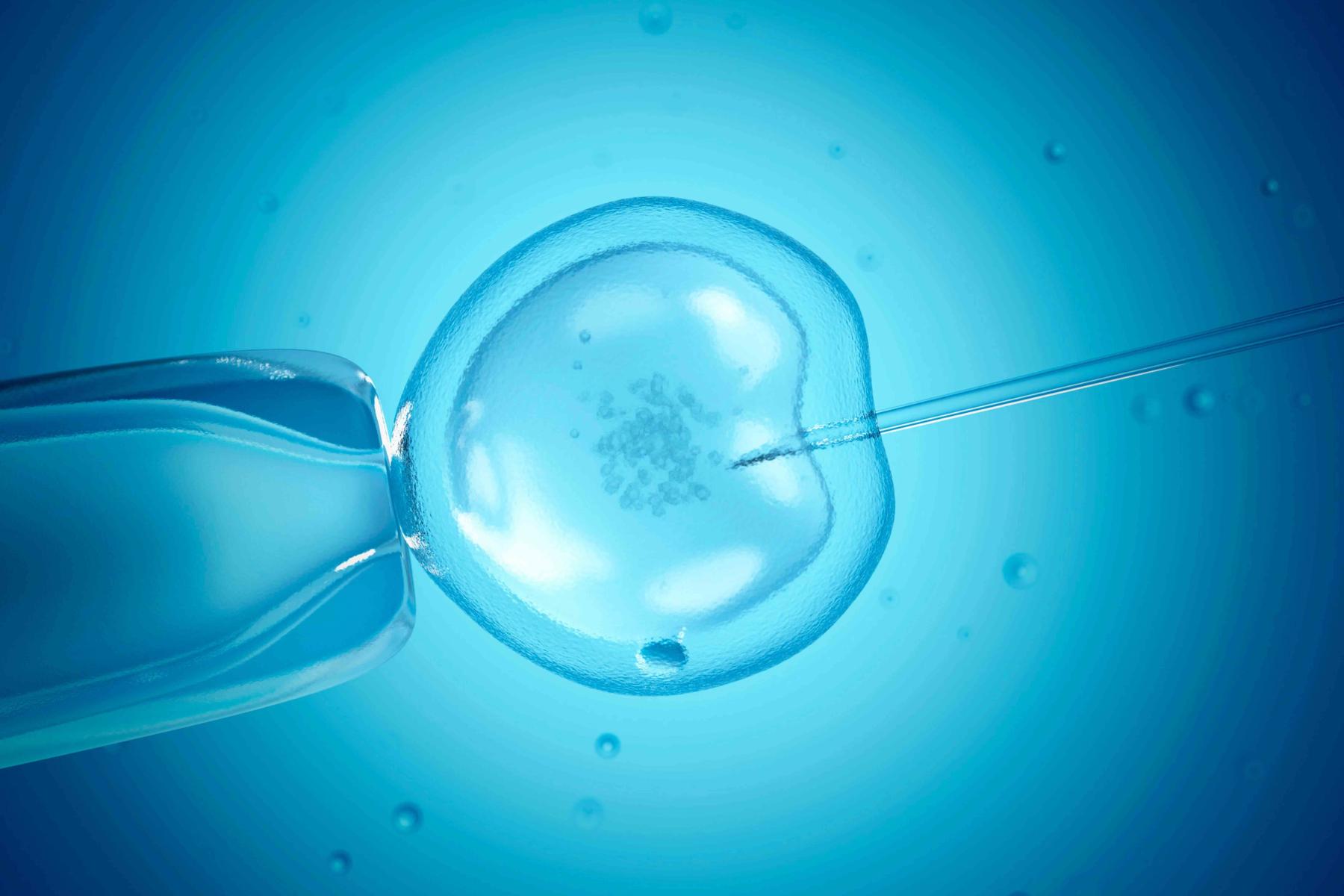
Despite taking the above measures, some couples may still struggle to conceive, so there are alternative treatments available, including in vitro fertilisation (IVF), intracytoplasmic sperm injection (ICSI) and intrauterine insemination (IUI). IUI involves a prepared sperm cell being placed directly into the uterus during ovulation to improve the chance of pregnancy. This treatment involves “washing” the sperm in a laboratory to remove seminal fluid, resulting in healthy, mobile sperm that are then inserted into the female’s cervix using a thin catheter. Success rates of this treatment vary depending on age and fertility factors; however, the risks for this treatment are generally low, and some doctors suggest trying IUI treatment before moving on to IVF for some couples. The most common fertility treatment is IVF, which involves eggs being fertilised with sperm in a laboratory, forming an embryo, which is later implanted into the female’s uterus, resulting in a successful pregnancy. A typical IVF cycle involves stimulating the ovaries using hormone injections, retrieving an egg and then using the egg to complete fertilisation, followed by an embryo transfer. The fertilisation may occur through conventional insemination, which involves the mixing of the egg and sperm cells or may also include ICSI, where one sperm is directly injected into the egg. Successful IVF treatments are dependent on factors such as maternal age, quality of the embryo and lifestyle factors such as smoking and obesity. Although IVF is a very common treatment, there are risks involved, including multiple pregnancies, ectopic pregnancy and possibly miscarriage. There is also significant emotional and financial stress involved, as not every cycle may be successful, which means the treatment does not always guarantee pregnancy, and in a lot of countries, IVF treatments are self-funded and can be costly.
Looking Forward: Education and Equity
Infertility is a complex and widespread issue that is affecting people of all ages and backgrounds globally and impacts individuals emotionally, physically and financially. Although it is becoming a more recognised global health concern, this awareness has led to an increase in treatments available to support infertility; however, there is still unequal access to fertility treatments in different parts of the world. Greater awareness, education, early diagnosis, and continued medical advancements are essential in reducing stigma and supporting those experiencing infertility. By maintaining a healthy diet, utilising targeted supplements, and following professional medical advice, many individuals can increase their chances of conception, potentially reducing the need for more invasive fertility treatments.