
Written by: Sabah Awan
Date: 2026-06-24
Healthy Ageing

As we grow older, our bodies naturally change with us. From muscle depletion to increased abdominal fat, the changes in our bodies require us to adapt our lifestyle and nutrition accordingly. Gone are the days of having a late-night fast-food meal washed down with a can of fizzy drink, and comes a newfound focus on managing nutrition to suit our evolving bodies. Although ageing is inevitable, good nutrition and regular exercise play a key role in maintaining independence, energy, and quality of life in those nearing the age of sixty. Changes in our bodies include our muscles becoming weaker, our bones beginning to thin, and fat accumulating around the abdomen, which can all lead to long-term health issues if not addressed properly. Having this extra fat around the stomach can lead to other illnesses such as diabetes, heart disease, and certain types of cancer. The decline in muscle mass means the caloric requirements of our bodies also decrease, and the loss of bone density also contributes to a more sedentary, less mobile lifestyle. Although our appetites shrink as we age, the difficulty in losing the extra weight remains, as both our caloric needs and activity levels have changed. On average, a male in his thirties requires around 2,200 calories per day with a sedentary lifestyle, compared to a male in his sixties, who requires around 2000 calories per day, with the same activity level. A female in her sixties requires around 1,600 calories as a daily average if she has a sedentary lifestyle, compared to a woman in her thirties who requires between 1,800 and 2,000 calories with the same activity levels. As well as watching caloric intake, it is also important for older adults to engage in at least 150 minutes of exercise per week and at least two days of strength training exercises targeting all the major muscle groups in the body.
Benefits of a Balanced Diet:
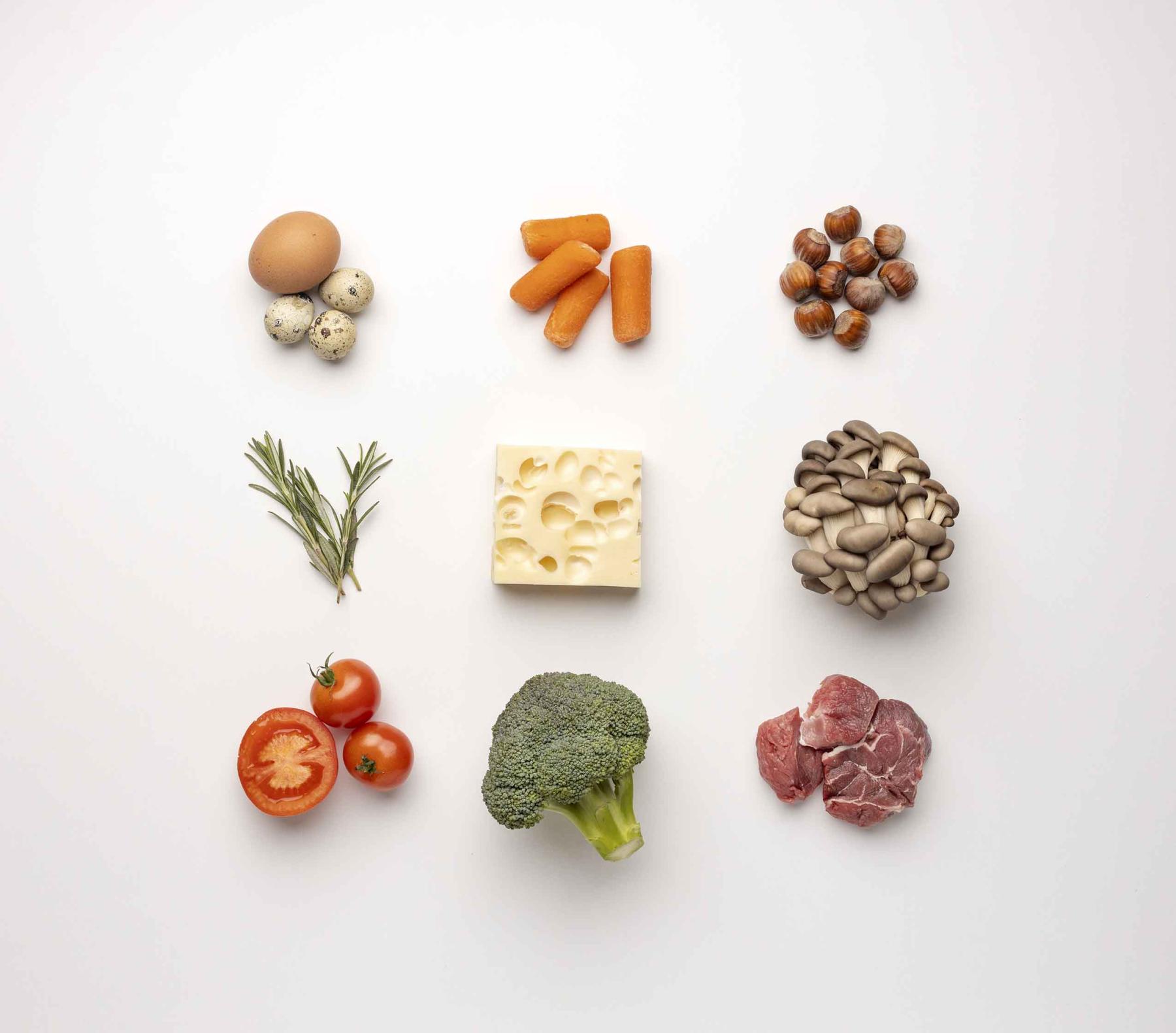
A balanced diet ensures that the body is receiving all the required nutrients, which are essential for optimal health in your senior years. There are many nutrients that adults over sixty should aim to include in their diets to support the changing nutritional needs of their bodies. Nutrients such as protein, calcium, Vitamin D, fibre, Vitamin B12 and healthy fats are crucial for healthy ageing. A balanced plate of food includes half a plate of fibre-rich foods, a quarter of a protein source and a quarter of carbohydrates. An example of a nutritious meal includes a portion of grilled chicken breast, an equal-sized portion of rice and the remainder of the plate being filled with grilled vegetables. Hydration is also for supporting healthy digestion and the amount recommended for each person to drink depends on various factors such as age, height, weight and climate. Increasing your water intake may also come from various sources such as fruits, vegetables, tea and juices; however, it is important to enjoy these as part of a balanced diet with the main hydration of the body coming from water itself.
The Importance of Protein:
An essential nutrient for older adults is protein, and a lack of protein can lead to sarcopenia, an age-related syndrome linked to the involuntary loss of muscle mass. It can lead to an increase in the risk of fall-related injuries as well as mobility issues, which are both common among older adults. The decrease in muscle mass with age underscores the importance of consuming adequate protein daily. Having at least 1 to 1.2 grams of protein per kilogram of body weight daily is considered a good amount for older adults to consume to maintain muscle mass; however, this can increase to 1.2 to 2 grams of protein per kilogram of body weight for those who regularly undertake resistance training as part of their exercise routine. Good sources of protein include lean meats such as chicken, low-fat Greek yoghurt, salmon, cooked lentils, and eggs.

Essential Nutrients for Bone Health:
With age, our bones also begin to change, so to maintain bone health, both calcium and Vitamin D should be included in the diets of those over 60. Sources of calcium include dairy such as milk, yoghurt and cheese, leafy greens such as kale and broccoli and canned fish such as sardines and salmon. Although Vitamin D is absorbed through sunlight exposure, which may not be possible in countries with limited sunlight throughout the year, there are also other sources of this nutrient, such as fatty fish, including salmon and tuna, egg yolks, and cod liver oil. A lack of these essential minerals can lead to diseases such as osteopenia, which involves a reduction in bone density. It can lead to a more serious condition known as osteoporosis, a chronic condition where bones become brittle and fragile. This significantly increases fracture risks resulting from falls, which are common among older adults.
Fibre and Digestive Health:
Commonly found in foods such as fruits, vegetables, whole grains, legumes and pulses, fibre is particularly important for the digestive system, especially in the prevention of common issues, including constipation. Having a high fibre diet allows the digestive organs to work at their best, ensuring food is digested efficiently, and relevant nutrients are absorbed into the bloodstream. Fibre also contributes to feeling full, which supports the lower caloric intake required by older adults. The recommended amount of fibre for a woman above the age of sixty is around 21 g, whereas the recommended amount for a male above the age of sixty is around 30 g. A lack of fibre can result in diseases such as diverticular disease, which causes small pouches to form in the colon, which can become infected and is quite common among the older adults due to a lack of fibre consumption. Low fibre intake is linked to an increased risk of bowel cancer, and a high percentage of adults diagnosed with this type of cancer are above the age of sixty, emphasising the importance of this nutrient.
Brain Health and Healthy Fats:
Over the age of sixty, there is an increased chance of experiencing brain fog, memory loss, depression, anxiety, dementia, and Alzheimer’s disease. To support healthy brain function, it is important to incorporate at least 2.4 micrograms of Vitamin B12 into the daily diet. As we age, our bodies are less able to extract this vitamin from animal protein sources, so the levels of Vitamin B12 can be increased through the intake of supplements and fortified foods, including dairy, cereals, and yoghurt.
Consuming healthy fats in the form of fatty fish, nuts and seeds, and avocados is also essential for brain health, with Omega-3 found in these fats being vital as a building block for brain cells. Omega-3 fats may support brain health, reduce cognitive decline, and help control cholesterol levels, lowering the risk of cardiovascular diseases, such as a stroke or heart attack. These nutrients also help absorb Vitamin D and can help support bone health, thus reducing the risk of bone diseases such as osteoporosis. Arthritis is also common among older adults, so ensuring an adequate amount of healthy fats is consumed in their daily diet may help to reduce joint pain and stiffness. Healthy fats also ensure the immune system is working as efficiently as possible, so a lack of this nutrient in the diet can lead to an increase in contracting infections.
Staying Active in Later Life:
Exercise is just as important for maintaining a healthy lifestyle, even though mobility often declines with age. Many suitable activities are easy to fit into your schedule and are gentle on the joints. Low-impact cardio, such as walking, cycling, and swimming, supports heart health while minimising joint stress. Strength and resistance training (for example, light dumbbells, resistance bands, or bodyweight exercises) helps maintain muscle and reduce the risk of sarcopenia. Yoga and regular stretching can also improve flexibility and help maintain joint mobility.
Many factors contribute to a change in eating habits as we age, including illnesses such as type 2 diabetes and high blood pressure, a reduced appetite, difficulty chewing, and medication interactions. However, healthy nutrition must be a top priority in this age to ensure our bodies continue to work well. Older adults tend to take multiple medications, which can lead to a reduced appetite or affect how nutrients are absorbed in the body, so it is essential to speak to a healthcare professional if they have these concerns. Growing older is inevitable, but with the right nutrition and lifestyle choices, healthy ageing is achievable.