Written by: Sabah Awan
Date: 2026-06-24
How Countries Are Responding to Youth Social Media Use
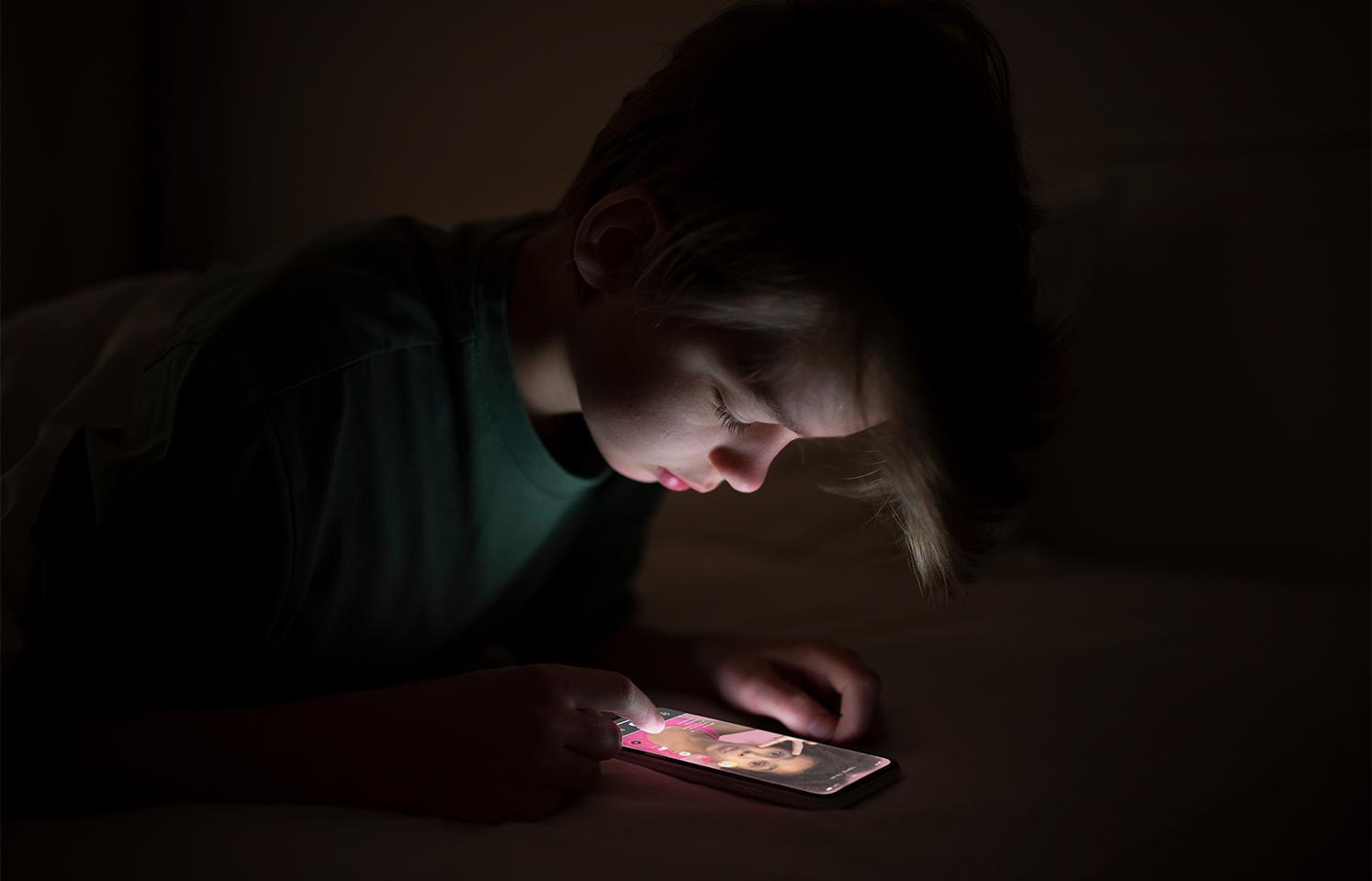
Social media plays a big part in the daily life of most children and young adults globally. From communicating with friends, following their favourite content creators for fashion and lifestyle tips, or keeping up to date with the latest news around the world. Having this unlimited access to a world of information can be used for good, allowing young people to educate themselves on various topics, including history, current world events and self-improvement. However, unmonitored social media usage can often lead to unlimited access to harmful content, which can be detrimental to their mental health in the long run. From accessing inappropriate sexual content, cyberbullying, violent videos and images and with features that allow endless scrolling, many young people spend excessive amounts of time on their mobile phones. Spending very little time communicating with others face to face, or spending time engaging in physical activity, means concerns about the long-term effects continue to grow. Egypt has around 51.6 million social media users, with a large proportion of whom are under the age of 25, and around 1 in 10 of those are children aged between 13 and 17. While YouTube is the most used platform amongst young Egyptians, there is an increase in the use of social media platforms such as TikTok and Instagram. Although age restrictions exist, many are weakly enforced as Egypt does not currently have any strict national laws regarding social media use amongst young people. This raises the question of whether Egypt could consider similar regulatory approaches seen in other countries.
Australia has become the first country to ban social media platforms for young people below the age of sixteen, a law that was passed in November 2024 and came into full effect in December 2025. Social media platforms such as Instagram, TikTok, Snapchat and X have been asked to put practices into place which prevent children under 16 from creating or maintaining social media platforms. Failure to comply with this law may result in companies facing fines which can reach up to AU$49.5 million; however, there are no penalties that parents or young children can face for continuing the use of banned social media platforms. Following the ban, a survey of 900 parents showed that around 49% of their children had social media accounts before the legislation came into effect, which decreased to 31% after the ban. Further research has shown a decrease in social media usage amongst 13 to 15 year olds, including Snapchat usage decreasing by 13.8 per cent and TikTok usage dropping by 5.7 per cent.
The latest country to follow in Australia’s footsteps is the United Kingdom, with Prime Minister Keir Starmer announcing in June 2026 that there will be legislation introduced by the end of 2026, which will come into effect from spring 2027. The proposal also includes measures that Australia does not have, including tackling the use of disappearing messages and location sharing, as well as potential limits and curfews on infinite scrolling features. A government consultation found that over 90% of parents support this decision, arguing that social media usage is affecting children’s mental health, sleep, concentration and self-esteem. However, some parents believe a total ban is unfair as children can use social media for educational purposes, and they are worried that a complete ban will encourage young people to find alternative ways to gain access or join other unregulated platforms.
As governments around the world start taking young people’s use of social media more seriously, the debate has become a truly global one. Supporters of tighter rules say they are needed to protect mental health, limit exposure to harmful content and encourage healthier online habits. Others, however, argue that outright bans could be hard to enforce and might simply push young people onto less regulated platforms. In the end, the real challenge for policymakers is striking a balance between keeping children safe and recognising that social media is now deeply woven into how they learn, communicate and live their everyday lives.