Written by: Sabah Awan
Date: 2026-06-24
Why We Can’t Look Away, and How to Reclaim Your Peace
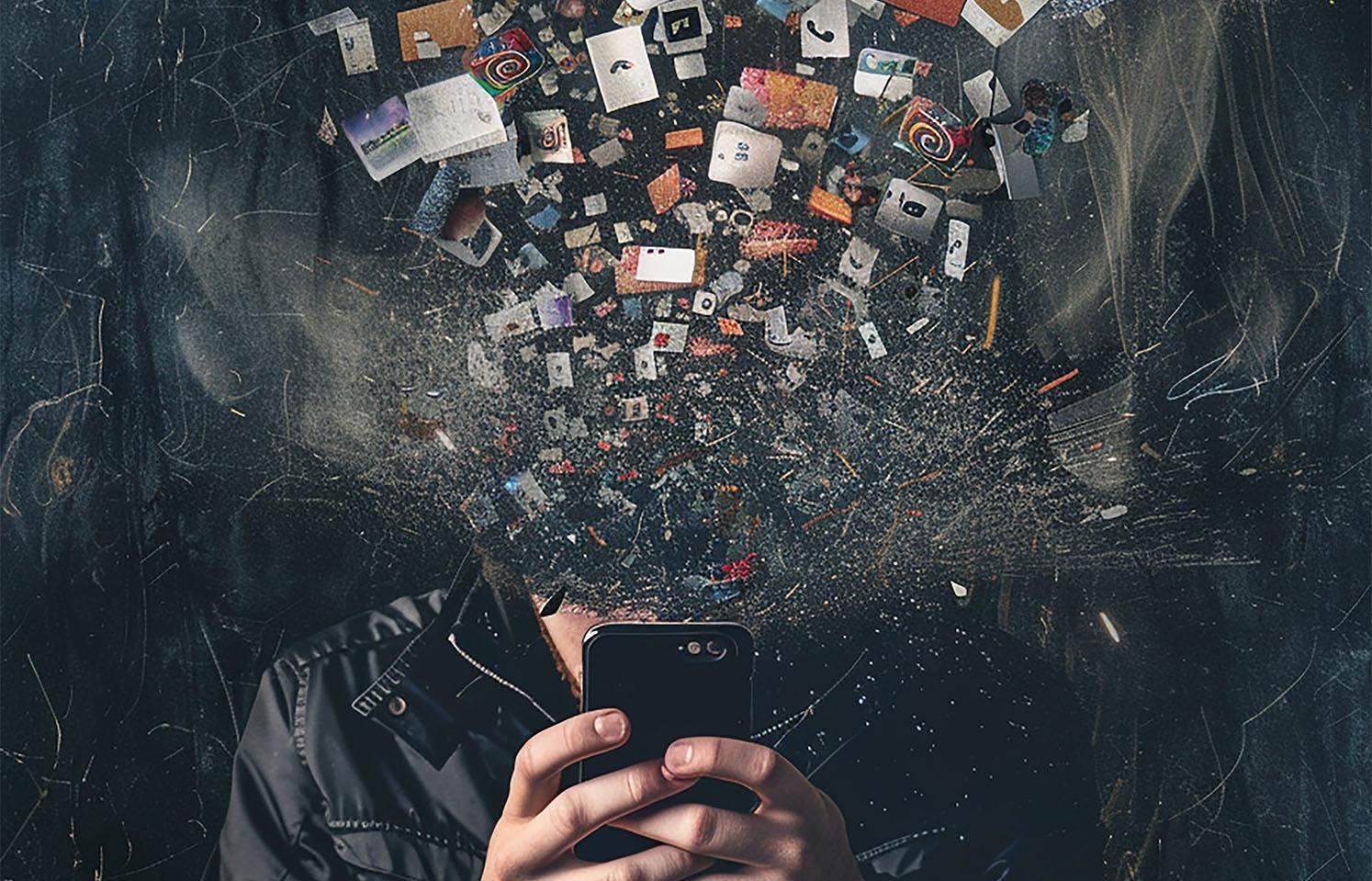
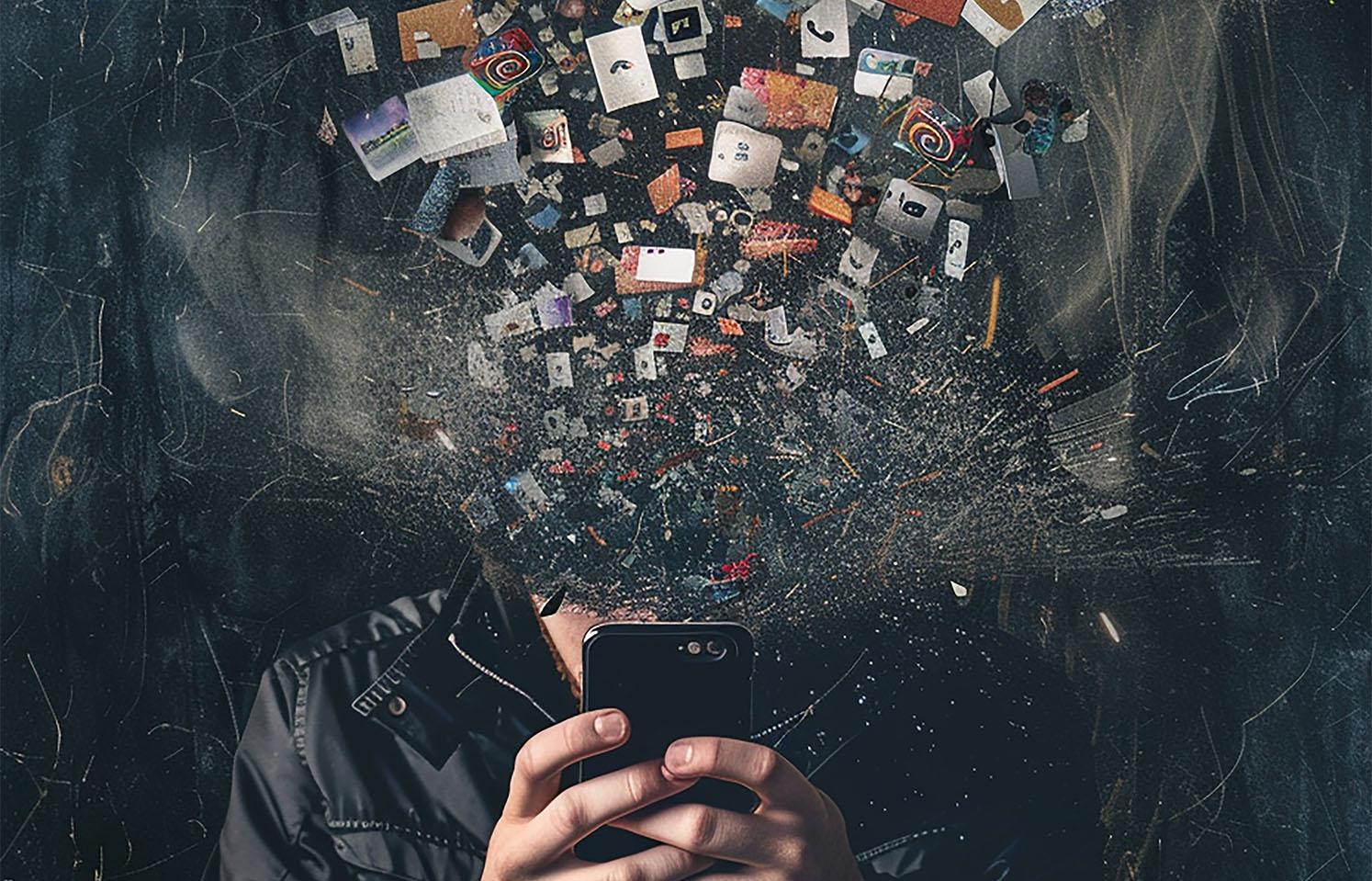
The year was 2020. We had just been told there is a virus that is spreading quickly across the world, and governments are urging their people to isolate at home. No more going into the office. No more going to school. No more casual dining in restaurants. For the first time in most of our lives, we are being forced to stay within our own homes, spending time with families, to not spread a virus that is taking people’s lives. At first, it was exciting — not having to leave the house for work or school, trying new hobbies like baking and cooking, and incorporating exercise into a daily routine without the gym. Once a month or two have passed, the boredom begins to kick in. As we were only able to see extended family and friends through a screen, we turned to social media to stay connected with our loved ones. This new reliance on social media for news, connection and entertainment has led to the rise of a new phenomenon known as doomscrolling. Doomscrolling specifically relates to spending time in contact with negative news through social media and has been a contributing factor in the increase of anxiety levels. This can lead to something called headline anxiety or Headline Stress Disorder, which is brought on by the constant influx of negative information regarding news around the world. The body’s “fight or flight” response can increase, leading to fatigue and feeling unsafe as the body is unable to distinguish between a genuine threat and a perceived threat through information that is taken in.
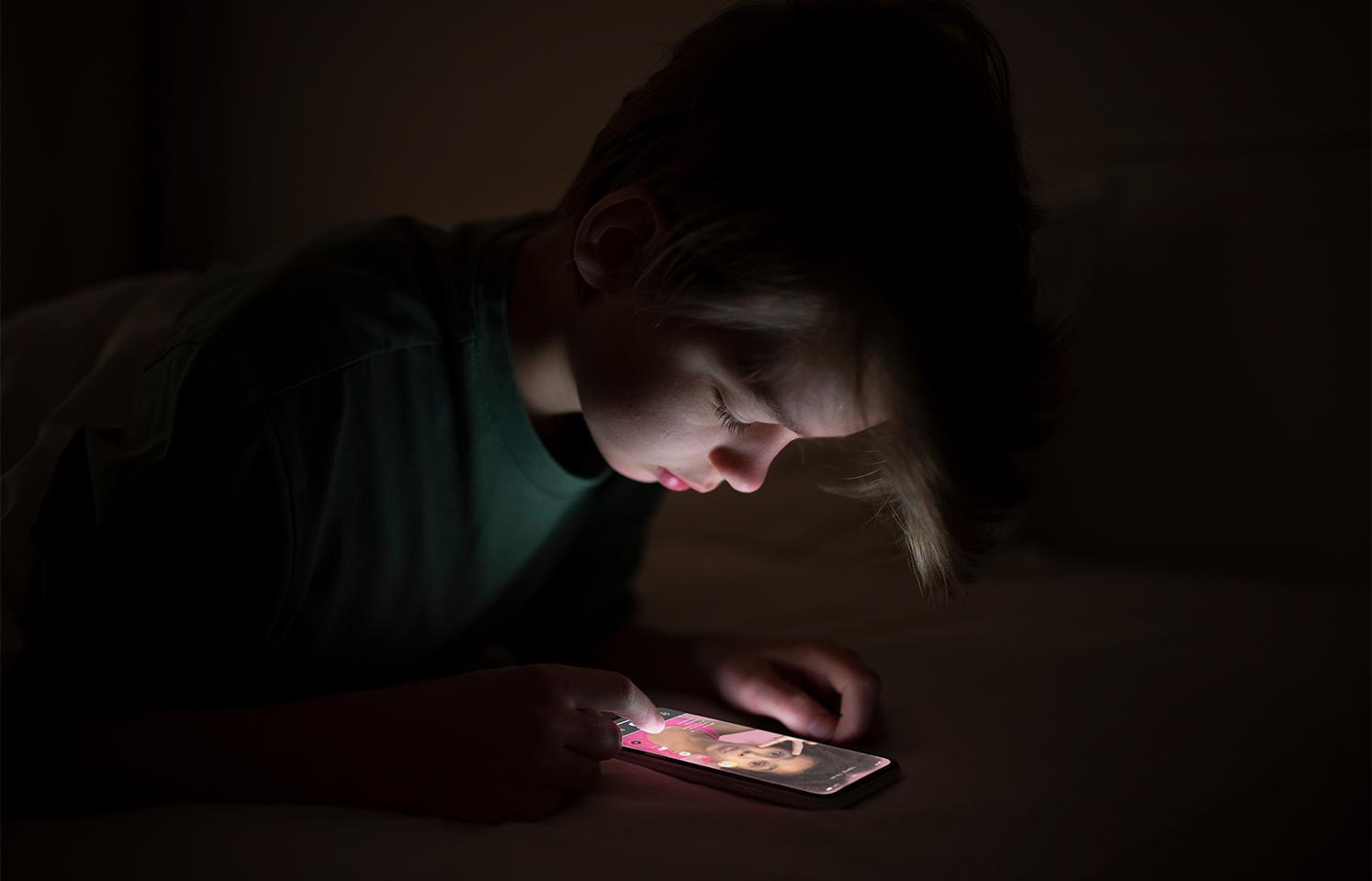
During the COVID-19 pandemic, mobile phone users used their phones as a source of news, leading to an increase in social media use to access information. During the initial period of the pandemic lockdown, digital news consumption increased by around 35%, while social media usage rose by around 47%. Platforms such as Instagram and TikTok became key sources of information for social media users seeking updates on world events, tracking the spread of the virus, and anticipating the end of restrictions. During this period of uncertainty, many used social media to stay aware of global events. However, doomscrolling does not always bring relief, as it is very easy to get caught up in scrolling and taking in upsetting information that can exacerbate anxiety further. Even as COVID-19 cases have declined over time, many people continue to use social media to follow topics such as politics, conspiracy theories, and violent events, for example, the Iran-Israel war, which showcased very upsetting news. Absorbing information of this kind can cause an impact on anxiety levels as people feel powerless or overwhelmed with the amount of negative information they are absorbing. Social media platforms are designed to be addictive, and algorithms have been created to expose users to videos or pictures on similar themes to those they have already interacted with. For example, by watching videos or looking at posts regarding the genocide in Gaza, the algorithm will ensure the user begins to see more videos of a similar theme, which are often of an upsetting nature. Around 1 in 6 people are regularly consuming information that is negative in nature, and the problem is severe enough to affect their stress levels, anxiety and overall health. Reading upsetting news before bed can also disrupt the sleep cycle and lead to a continued increase in anxiety and restlessness the following day.
Negativity bias is our brain’s way of protecting itself from harm by focusing on the negative as opposed to the positive, which further perpetuates the mental health effects of absorbing negative news. Many news outlets and social media platforms gain the attention of readers by using dramatic and alarming headlines that entice the reader and thus further perpetuate negativity bias. Aside from affecting anxiety levels, doomscrolling can contribute to other mental health concerns such as sadness, irritability, hopelessness and depression. By viewing negative news involving a genocide or a potential virus outbreak, social media users become overwhelmed as they feel like they cannot change the situation, especially since these matters are occurring globally.
There are many practical steps that are useful in breaking the cycle of doomscrolling. First, it is essential to identify the issue, understand how it is affecting your life negatively, and remain motivated to make the necessary changes to break the habit. People who doomscroll tend to lose track of time and acknowledging how much time they have wasted in a day on their phones will encourage them to use their time more effectively. One way that you can reduce doomscrolling is by setting limits on the amount of time you look at social media. This may include giving yourself a fixed time in the day to look at the news, which can be facilitated using the daily limit restrictions that most social media platforms have. Another way of reducing the time spent on social media apps is by turning off notifications so that these things can be checked in an allotted time during the day, rather than multiple times throughout the day. This reduces the urge to check your phone impulsively and allows you to be more in control of the content you are absorbing throughout the day. This type of schedule has a significant impact on reducing anxiety levels and is also good for concentration levels, especially when working or studying. By avoiding specific news sources such as certain Instagram accounts or TikTok accounts that tend to post distressing news, you can reduce the amount of negative information that you are taking in. To have a better social media experience, it is vital to focus on sources that have more positive content, such as comedy videos or feel-good videos that show the goodness in the world. By having digital barriers such as hiding or deleting social media apps, you can reduce the amount of doomscrolling and protect your mental health. According to research, around 36% of people globally have reported that they intentionally stay away from international news by turning off the television, skipping social media accounts that are focused on the news and silencing notifications on their mobile phones. These techniques help decrease doomscrolling and can have a significant positive impact on anxiety levels.
Mindfulness is encouraged by psychologists and has been shown to increase emotional regulation and reduce overwhelm amongst those who engage in doomscrolling. It is important to step outside and get some fresh air and bask in the sunshine for a few moments, which can have a positive effect on your mental health. Although this may not always be possible, there are also techniques, such as box breathing, which is a method used to calm the nervous system and reduce anxiety. It may also be useful to speak to a therapist regarding headline anxiety, and it is important to be open about behaviours that you are experiencing, such as having trouble focusing on work because you are worried about world events. Sharing specific symptoms that you may be experiencing, such as a racing heart, feeling hopeless or anxiety that is affecting your relationships, will allow the therapist to support you in the best way they can. Therapists may use techniques such as Cognitive Behavioural Therapy (CBT) to support you in identifying irrational thoughts and help you reframe your thinking, as well as encourage mindfulness practices. You may consider using grounding techniques such as the 3-3-3 rule, which helps you to identify three things you can see, three things you can hear and three things you can touch to bring your mind back to the present moment.
Staying informed about global events can help us understand the world around us and respond with compassion where we can. But when distressing news is constant and only a tap away, protecting our mental health becomes just as important. A steady diet of upsetting headlines can begin to spill into our relationships, our work and our overall sense of wellbeing—especially when the events we are witnessing feel far beyond our control. By setting healthier boundaries with the news and adopting mindful habits, we can ease anxiety and stay more grounded in the present.