Date: 2025-12-25
In a chat with Mohamed El-Etreby on why the Grand Egyptian Museum stands at the center of NBE’s strategic vision

The National Bank of Egypt holds a solid legacy that dates back to its foundation in 1989, pioneering the release of the first banknotes in Egypt whilst simultaneously undertaking the responsibility of a central bank. In 1960, it became nationalized where its ownership was transferred to the state and from the mid-1960s onwards it became responsible for issuing and managing investment certificates for the government which further strengthened its position as one of the most significant banks in Egypt.
To top things off, NBE has made significant contribution to a lot of philanthropic causes supporting healthcare, education, economic empowerment, in addition to heritage, culture and the environment. NBE has developed public schools across Egypt, combating poverty by paying off debts through the Al-Gharimeen program supporting bread-winning women, as well as persons with disabilities (PwD), to list just a few of these philanthropic initiatives. The bank has also significantly contributed to improvements in healthcare including developing fully equipped university hospitals and developing training for nurses to ensure patients are able to receive the best treatment.
By December 2023, the NBE had served nearly 20 million customers which has been supported by the NBE having 665 branches, offices and units nationwide according to figures published in June 2024. In 2024, Global Finance named the NBE as the Safest Bank for the fifth year in a row, which further strengthened the reliability of the bank and continued to build its reputation as Egypt’s best retail bank. The NBE has won several distinguished awards including the Top 50 Banking Brands 2025 and Elan Awards 2025. Global Economics named NBE as the Best Retail Bank and also awarded Most Secure Bank Digital Transformation in 2025. NBE also has an extensive international presence including the branches in the United Kingdom, Sudan, United States of America, China, the United Arab Emirates and Ethiopia.
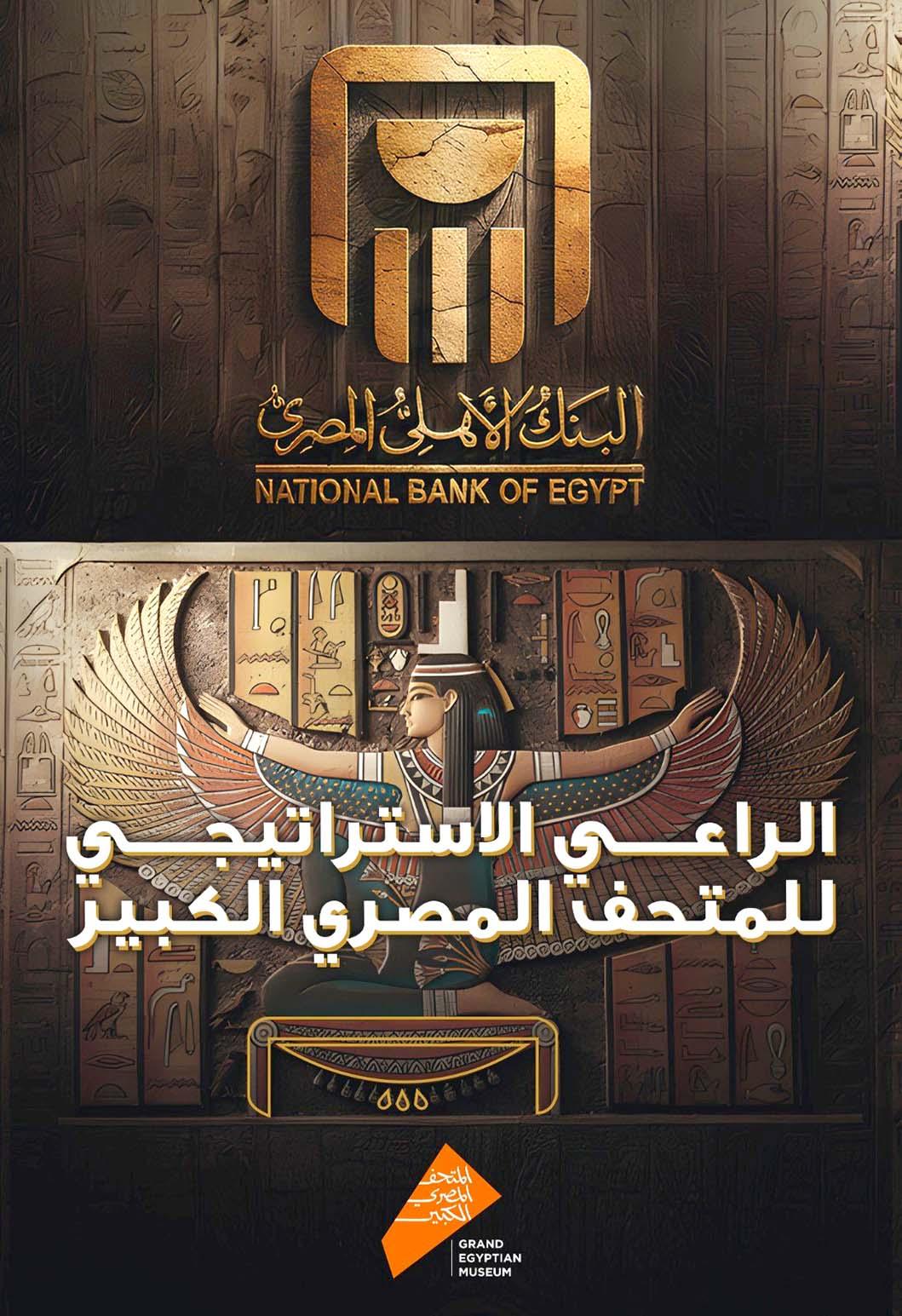
In coordination with the Talaat Moustafa Group (TMG), the National Bank of Egypt has contributed to the development of the Grand Egyptian Museum (GEM) where the Talaat Moustafa Group provides the resources for the large-scale development of the museum backed by the investment from the National Bank of Egypt. The bank has also worked closely with the Mansour Group, Ezz Steel, Hassam Allam Holding and the Administrative Capital for Urban Development in the formation of one of Egypt’s most iconic museums.
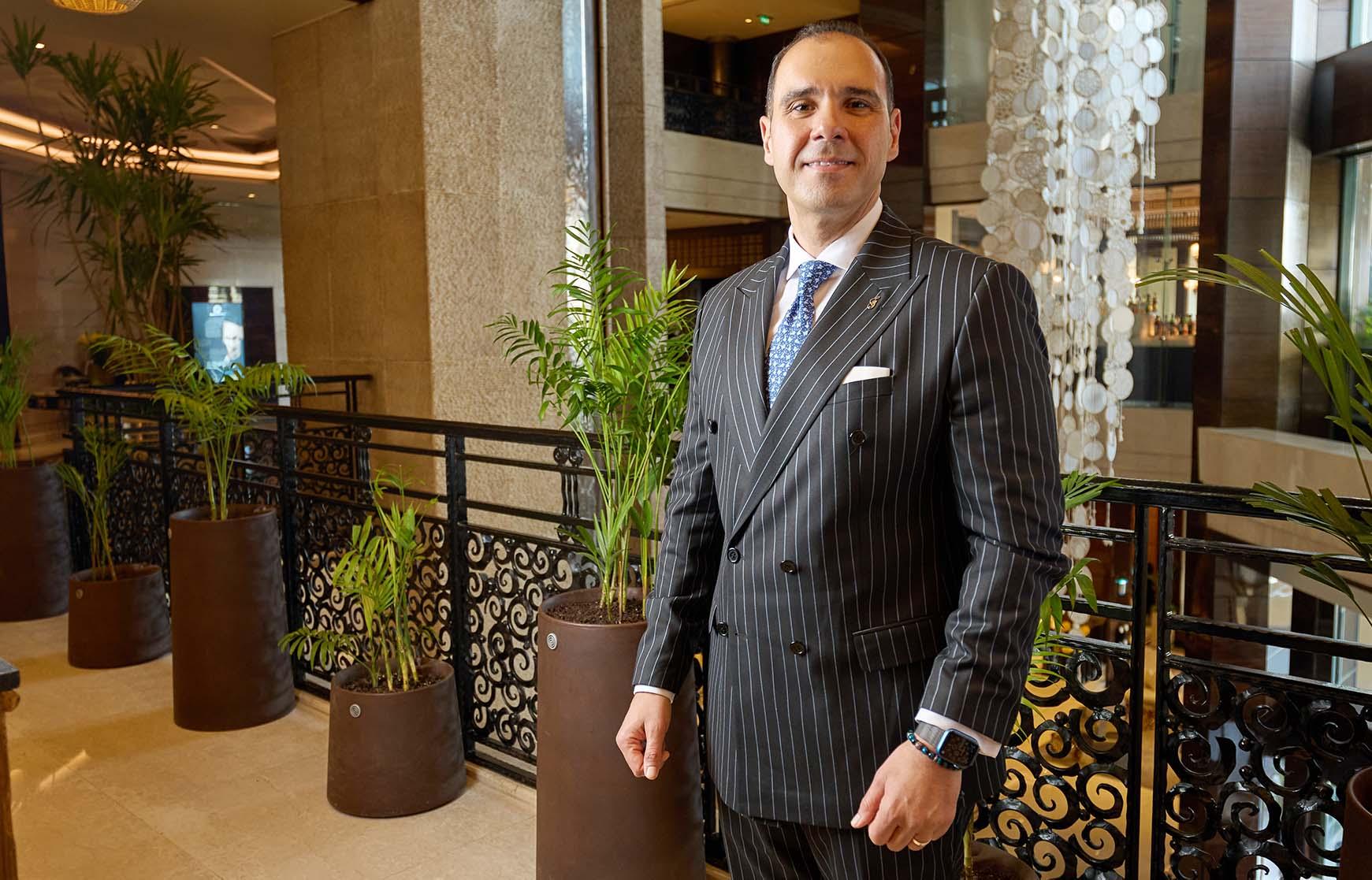
We have had the pleasure of conducting an interview with the Chief Executive Officer of the National Bank of Egypt, Mohamed El-Etreby, with over 35 years’ experience in banking and appearing on the Forbes’ Middle East’s Top CEOs list, he shares why this project has been so significant for the bank and the history of a nation with such unique heritage.
The Grand Egyptian Museum (GEM) stands as a symbol of national pride, how does NBE's support reflect its role in preserving Egypt's heritage and future prosperity?
First and foremost, I have to say the Bank prides itself on its strategic partnership with the Grand Egyptian Museum — one of the most significant cultural and civilizational projects in the world, it is the largest museum in the world dedicated to a single civilization, showcasing tens of thousands of archaeological artifacts and historical treasures that document more than 650,000 years of human history.
This museum does not merely display artifacts that reflect Egypt’s rich heritage; it also serves as a symbol of civilizational dialogue between the past and the present. As the oldest bank in Egypt, we are proud to be a part of history in the development of a museum that reinforces the country’s reputation as one of the most captivating nations globally.
As one of Egypt’s leading banking figures, how do you view NBE’s role in supporting a national landmark like the Grand Egyptian Museum?
The National Bank of Egypt affirms that its partnership with the Grand Egyptian Museum reflects its ongoing national role in supporting projects that embody Egypt’s civilizational leadership and strengthen its position as a global cultural destination. Supporting such an iconic project allows us to help safeguard Egypt’s history whilst also supporting economic development, cultural exchange, and the country’s position as a leading destination on the world stage.
From your perspective, how does NBE’s partnership with the Grand Egyptian Museum reflect the bank’s vision for Egypt’s cultural and economic future?
The National Bank of Egypt’s support for this project stems from its belief in the vital role of culture in building individuals, strengthening national identity, and opening new horizons for cultural tourism — which, in turn, contributes to the national economy. For over a century NBE has been a pillar of Egypt’s economic and social progress. Hence, we regard our support to the GEM a national allegiance and bridge to future generations. Being involved in this project aligns with our vision for Egypt’s prosperous future, one which involves sustainable growth and global leadership.
What makes the GEM unique?
It is the largest archeaelogical museum in the world dedicated to a civilization that influenced the development of the modern world including writing and record-keeping as well as medicine and mathematics. What truly sets it apart is not just the scale, but the way it combines cutting-edge technology, world-class conservation, and immersive visitor experiences to bring Egypt’s heritage to life.
This museum does not merely display artifacts that reflect Egypt’s rich heritage; including the complete Tutankhamun collection as well as a 3200 year old statue of Ramesses II, it also serves as a symbol of civilizational dialogue between the past and the present and a reflection of global allegiance between nations.
What does it mean for Egypt?
In addition to being the homecoming of a whole civilization under one roof and standing as a bridge between past and future, the GEM is now a new global landmark. This creates a cultural and economic renaissance anchoring Egypt as a hub for culture and tourism thereby attracting millions of tourists. By doing so, the museum boosts the local and national economy as well as inspiring investments in infrastructure, hospitality, and other related sectors. Ultimately, the GEM protects Egypt’s rich history whilst also charting a path toward growth and innovation.
How does NBE envision its role in the GEM, beyond the inauguration and investment?
The National Bank of Egypt’s support for this project stems from its belief in the vital role of culture in building individuals, strengthening national identity, and opening new horizons for cultural tourism — which, in turn, contributes to the national economy.
We consider this support a national duty and a message to future generations on the importance of preserving our unique heritage and ensuring it occupies the global stature it truly deserves.
The National Bank of Egypt affirms that its partnership with the Grand Egyptian Museum reflects its ongoing national role in supporting projects that embody Egypt’s civilizational leadership and strengthen its position as a global cultural destination.