Written by: Mahmoud Demerdash
Date: 2026-06-24
Inside the Battle for Humanity's Digital Interface
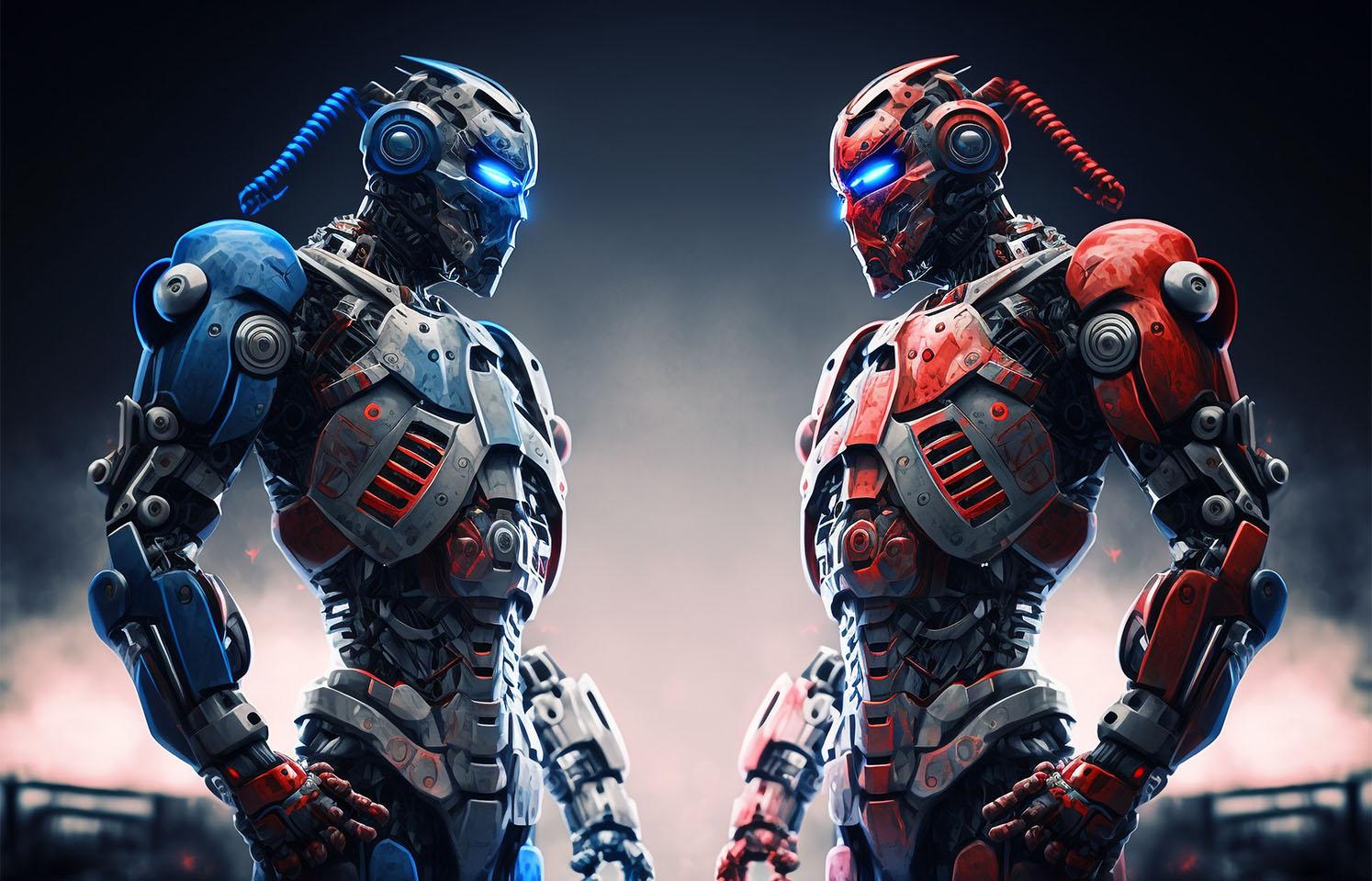
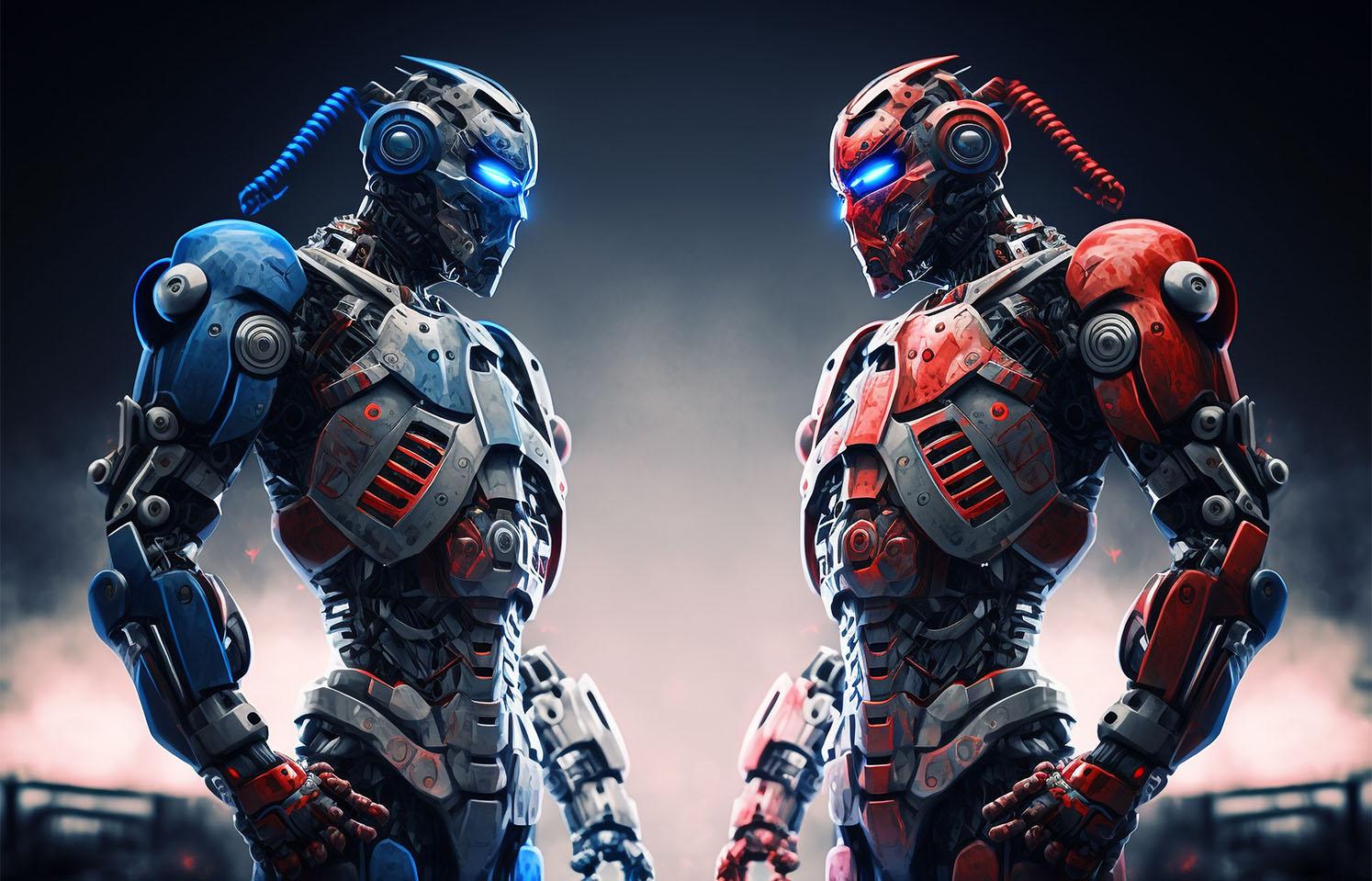
The technology sector is currently gripped by a competitive fervour not seen since the commercialisation of the internet. This isn't merely a race for market share; it is a fundamental struggle to define the next era of human-computer interaction. What began as experimental research in academic corridors has exploded into a high-stakes global theatre, where billions in capital and the world's elite engineering talent are the primary ammunition.
The Core Contenders: A Clash of Philosophies
While the field is crowded, the primary battle lines are drawn between distinct corporate philosophies. OpenAI's ChatGPT currently enjoys the "first-mover" advantage, having successfully transitioned AI from a technical novelty to a household utility. Its strength lies in a massive user base and a versatile ecosystem that handles everything from creative writing to complex technical debugging.
In stark contrast, Anthropic's Claude has carved out a niche by prioritising safety and "Constitutional AI". For professionals, Claude often feels like a more refined partner, less prone to the erratic "hallucinations" that can plague earlier models and more capable of nuanced, multi-step reasoning. This rivalry highlights the industry's central tension: the trade-off between rapid, unbridled innovation and the slower, more deliberate path of alignment and reliability.
OpenAI leverages its first-mover advantage to drive mass adoption through a versatile platform ecosystem, while Anthropic focuses on high-fidelity reasoning and safety-critical applications to serve professional users. Meanwhile, tech giants like Google and Microsoft are exploiting their existing dominance in search and productivity software to secure their own positions through widespread integration.
Strategic Stakes: Controlling the Interface
The ultimate prize in the AI Wars is the "Interface." In previous decades, the winners were those who controlled the browser (Netscape vs. IE) or the mobile OS (iOS vs. Android). In the AI era, the winner will be the entity that serves as the primary filter between humans and the sum of digital information. If an AI can accurately summarise a hundred emails, write a report, and schedule a meeting in one prompt, the underlying operating system becomes secondary.
Societal and Geopolitical Implications
This technological leap does not exist in a vacuum. Governments are increasingly viewing AI capabilities through the lens of national security and economic sovereignty. The race to secure high-end semiconductors (like those from NVIDIA) has become a modern-day arms race, with trade restrictions and domestic subsidies defining new geopolitical boundaries.
Beyond the state, the human cost remains the most debated variable. We are looking at a paradigm shift in the value of cognitive labour. While AI promises a productivity boom that could solve complex scientific challenges, it also threatens to displace millions of knowledge workers, necessitating a radical rethink of our educational and economic structures.
The integration of AI into society presents a complex tapestry of challenges that demand immediate attention, most notably the large-scale economic displacement of knowledge workers whose cognitive tasks are increasingly being automated. This shift is further complicated by the erosion of information integrity as synthetic media makes maintaining a shared objective reality difficult, all while legislative bodies struggle to establish effective regulatory oversight for a technology that evolves far faster than the law can adapt.
An Unwritten Future
The AI Wars are not a temporary disruption; they are the starting gun for a new epoch. As models become more agentic, moving from answering questions to performing actions, the line between human intent and machine execution will blur. The question for the coming decade is not just which company will lead, but how we will choose to govern the immense power they represent. The future is being written in real-time, one token at a time.